
01
Air Movement Through Rectangular Ducts
Air moves through rectangular duct sections from AHU, FCU, ducted AC, package AC, VRF indoor unit or central AC equipment.
Zenvent Engineering provides professional Rectangular Duct Work solutions for commercial buildings, office buildings, hotels, hospitals, shopping malls, restaurants, showrooms, residential buildings, factories, warehouses, cleanrooms, pharmaceutical facilities, data centers, central air conditioning systems and industrial ventilation systems.
Rectangular ductwork is one of the most commonly used ducting systems in HVAC and air conditioning projects. It is designed to distribute supply air, collect return air, move fresh air and remove exhaust air through a structured rectangular ducting layout. Rectangular ducts are suitable for false ceiling areas, large air volume distribution, centralized air conditioning and commercial HVAC projects.
Zenvent Engineering provides complete rectangular ductwork services including rectangular duct design, rectangular duct fabrication, rectangular duct supply, rectangular duct installation, duct insulation, leakage testing, air balancing, cleaning, repair, replacement and AMC service.
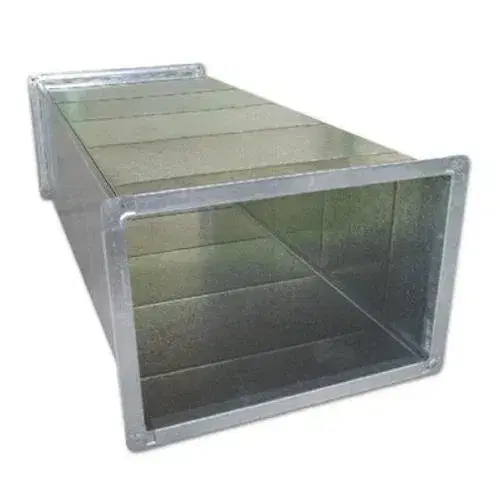
Rectangular Duct Work is a ducting system made in rectangular shape to move air through HVAC, AC and ventilation systems. It is also called rectangular ductwork, rectangular ducting, rectangular HVAC duct, AC rectangular duct, air conditioning rectangular duct and sheet metal rectangular duct.
In HVAC, rectangular ductwork means a rectangular air duct system used for supply air, return air, fresh air and exhaust air movement. It is commonly used with AHU systems, FCU systems, ducted AC, package AC, VRF indoor units and central AC systems.
The main purpose of rectangular ductwork is to distribute air properly across different rooms and zones. It helps maintain cooling comfort, ventilation performance, indoor air quality and HVAC system efficiency.
Rectangular ducts act as the main air path in an HVAC system. They carry conditioned air from the equipment to diffusers and grilles, and also help return indoor air back to the system.
Rectangular ductwork is used in commercial buildings, offices, hotels, hospitals, malls, restaurants, showrooms, factories, warehouses, cleanrooms, data centers, residential buildings and industrial ventilation projects.
Rectangular ductwork is easier to fit inside false ceilings and low ceiling spaces compared to some round ducts. Round and spiral ducts are often used for exposed or industrial layouts, while flexible ducts are mainly used for short diffuser and grille connections.
Rectangular ductwork works by moving air from HVAC equipment through duct sections, fittings, dampers, diffusers and grilles. Proper duct sizing, sealing and insulation help maintain airflow and reduce energy loss.
Air moves through rectangular duct sections from AHU, FCU, ducted AC, package AC, VRF indoor unit or central AC equipment.
Rectangular supply air ducts carry cooled or conditioned air to different spaces through diffusers, slot diffusers, linear diffusers and supply air grilles.
Rectangular return air ducts collect indoor air from occupied spaces and return it to the HVAC unit for filtration and cooling.
Rectangular fresh air ducts bring outdoor air into the HVAC system to support ventilation and indoor air quality.
Rectangular exhaust ducts remove stale air, odor, heat, smoke or unwanted air from toilets, kitchens, basements, service areas and industrial zones.
Correct rectangular duct sizing, duct route, dampers, sealing and air balancing help control airflow, static pressure and room comfort.
A complete rectangular ductwork system includes duct sections, fittings, dampers, joints, supports, insulation and air terminals.
Rectangular duct sections form the main air passage for supply, return, fresh air or exhaust air.
Rectangular duct elbows are used when the duct route changes direction.
Rectangular duct bends help route ductwork around beams, walls, ceiling services and site restrictions.
Reducers connect duct sections of different sizes and help maintain airflow transition.
Transitions connect duct sections of different dimensions or shapes.
Branch ducts divide airflow from the main duct to different rooms, zones or air outlets.
Duct splitters help divide airflow inside the duct system.
Duct flanges are used to connect rectangular duct sections securely.
Duct joints connect fabricated duct sections and must be sealed properly to reduce leakage.
Volume control dampers adjust airflow quantity in different duct branches.
Fire dampers are installed where required for fire safety and duct penetration control.
Smoke dampers help control smoke movement through HVAC ductwork during emergency conditions.
Access doors allow inspection, cleaning and maintenance inside the duct system.
Flexible connectors reduce vibration transfer between HVAC equipment and ductwork.
Duct supports and hangers hold rectangular ducts safely in position.
Duct insulation helps reduce heat gain, condensation, energy loss and duct noise.
Diffusers and grilles distribute supply air and collect return or exhaust air from rooms.
Zenvent Engineering provides different types of rectangular ductwork based on HVAC design, airflow, pressure class, material and application.
Supply air rectangular ducts deliver conditioned air to rooms and zones.
Return air rectangular ducts collect indoor air and send it back to the HVAC unit.
Exhaust air rectangular ducts remove unwanted air from toilets, kitchens, parking areas, service rooms and industrial areas.
Fresh air rectangular ducts bring outdoor air into the HVAC system.
Low pressure rectangular ducts are used in HVAC systems with lower static pressure requirements.
Medium pressure rectangular ducts are used where moderate air pressure and air distribution are required.
High pressure rectangular ducts are used in systems with higher static pressure and longer duct routes.
Insulated rectangular ductwork helps reduce heat gain, condensation and energy loss.
Acoustic lined rectangular ductwork helps reduce duct-borne noise in HVAC systems.
GI rectangular ductwork is commonly used for commercial HVAC and air conditioning systems.
Stainless steel rectangular ductwork is used in applications requiring hygiene, corrosion resistance or special exhaust handling.
Aluminium rectangular ductwork is lightweight and suitable for selected HVAC and ventilation applications.
The right material is selected based on airflow, pressure, temperature, corrosion risk, hygiene requirement and project budget.
Galvanized iron sheet is widely used for GI rectangular ductwork because of its strength, durability and practical fabrication.
Galvanized steel sheet is commonly used for HVAC rectangular ducts in commercial and industrial projects.
Mild steel sheet is used for selected heavy-duty ductwork and industrial ventilation applications.
Stainless steel sheet is suitable for kitchen exhaust, cleanrooms, laboratories, hospitals and corrosive exhaust applications.
Aluminium sheet is lightweight and can be used in selected air distribution and ventilation systems.
Pre-insulated panels combine duct body and insulation in one system, depending on project requirement.
Acoustic lining material is used to reduce noise inside ductwork.
Common insulation materials include glass wool, rock wool, elastomeric insulation, nitrile rubber and aluminium foil faced insulation.
Material selection depends on duct size, airflow, pressure, humidity, air type, installation location, fire safety, corrosion risk and maintenance needs.
Rectangular ductwork is used in HVAC projects where strong, structured and space-efficient air distribution is required.
Commercial rectangular ductwork supports air conditioning and ventilation in offices, malls, hotels, restaurants and showrooms.
Rectangular ductwork for office HVAC distributes air to workspaces, meeting rooms, cabins and common areas.
Hotels use rectangular ductwork for guest rooms, lobbies, corridors, banquet halls and service areas.
Hospitals use rectangular ductwork for ventilation, cooling, exhaust and controlled airflow systems.
Shopping malls use rectangular ducting systems for large air volume distribution across retail and common areas.
Restaurants use rectangular ductwork for air conditioning, fresh air and exhaust ventilation.
Showrooms use rectangular ducts to support clean interior layouts and uniform cooling.
Residential rectangular ductwork is used in central AC and ducted air conditioning systems.
Factories use rectangular ductwork for cooling, ventilation and industrial air movement.
Warehouses use rectangular ventilation ducts for air circulation and exhaust.
Cleanrooms use rectangular ductwork where controlled airflow and filtration coordination are required.
Pharmaceutical HVAC systems use rectangular ducts for supply, return, fresh air and exhaust applications.
Data centers use rectangular ductwork for cooling airflow and equipment room ventilation.
Central AC systems use rectangular ductwork to distribute conditioned air across multiple zones.
Industrial ventilation systems use rectangular ducts for exhaust, fresh air and process air movement.
Proper rectangular ductwork improves airflow, comfort, energy efficiency and HVAC system performance.
Rectangular ducts fit well in false ceiling areas and low ceiling spaces.
Rectangular ducting can be designed around building beams, ceilings, walls and service routes.
Rectangular ducts are suitable for large air volume distribution in commercial HVAC systems.
Rectangular ducts can be fabricated in custom width and height based on site and design needs.
Rectangular HVAC ductwork is widely used in offices, hotels, hospitals, malls and commercial buildings.
Rectangular ducts can connect easily with diffusers, grilles, dampers and flexible duct connections.
Rectangular ducts can be used for multiple air movement purposes in HVAC and ventilation systems.
Sheet metal rectangular ductwork offers strength, durability and long service life.
Rectangular ducts are easy to insulate and can also be lined for acoustic comfort.
Rectangular ductwork is ideal for centralized air conditioning and large-area air distribution.
Rectangular ductwork design should be planned carefully to maintain proper airflow, low noise and energy efficiency.
Airflow CFM requirement defines how much air must be supplied or exhausted from each space.
Duct size calculation is based on airflow, velocity, static pressure, pressure drop and available ceiling space.
Duct velocity affects noise, airflow comfort and pressure drop.
Static pressure shows airflow resistance inside the ductwork system.
Pressure drop occurs because of duct length, fittings, bends, dampers, grilles and filters.
Rectangular duct aspect ratio compares duct width and height. A balanced aspect ratio helps improve airflow and reduce pressure drop.
The duct route should reduce unnecessary bends, long runs and airflow restrictions.
Too many bends and transitions can increase pressure drop and reduce airflow performance.
Supply and return airflow must be balanced to maintain comfort and pressure control.
Duct gauge or sheet thickness is selected based on duct size, pressure class and strength requirement.
Large rectangular ducts may need reinforcement to prevent vibration, deformation and noise.
Noise control depends on duct velocity, lining, diffuser selection, equipment vibration and duct design.
Insulation is required to reduce heat gain, condensation and energy loss.
Access doors should be planned for inspection, cleaning and maintenance.
Duct layout should allow access to dampers, filters, access doors and service points.
Correct duct sizing is important for airflow, comfort and HVAC performance.
Airflow requirement is calculated based on cooling load, room size, occupancy and ventilation needs.
Duct area is calculated using airflow and selected duct velocity.
Width and height are selected based on ceiling space, airflow and aspect ratio.
A practical aspect ratio helps reduce pressure drop, noise and fabrication issues.
The velocity method selects duct size based on target air velocity and airflow quantity.
The equal friction method keeps pressure loss per duct length consistent across the system.
The static regain method is used in larger duct systems to manage pressure recovery.
Pressure drop calculation helps select fan capacity and maintain airflow.
Equivalent diameter calculation helps compare rectangular ducts with round duct airflow performance.
Final duct size is selected after checking airflow, pressure drop, noise, ceiling space and system layout.
Zenvent Engineering provides rectangular duct fabrication as per HVAC drawing, site measurement and project requirement.
Drawings and site measurements are reviewed before fabrication to avoid size and routing errors.
GI sheet, galvanized sheet, stainless steel sheet or aluminium sheet is cut as per duct size.
Sheets are folded and bent into rectangular duct shapes.
Flanges are prepared for duct section connection and installation.
Elbows, bends, reducers and transitions are fabricated as per duct layout.
Reinforcement is added where duct size and pressure require extra strength.
Duct joints are prepared for proper fitting, sealing and leakage control.
Openings are prepared for dampers, access doors and other accessories.
Surface finishing improves appearance, handling and installation quality.
Quality inspection checks duct size, flange, joint, sheet thickness, fittings and fabrication accuracy.
Zenvent Engineering provides professional rectangular duct installation for HVAC, AC and ventilation projects.
Our team checks site conditions, ceiling space, duct route, equipment location and support points.
HVAC drawings are reviewed to confirm duct route, duct size, diffuser locations, damper placement and insulation scope.
Duct route is marked on site before installation.
Supports and hangers are installed to hold rectangular ducts safely.
Duct sections are lifted, aligned and fixed as per approved layout.
Duct joints are sealed to reduce air leakage and improve system performance.
Flange connections are tightened and sealed for secure duct joining.
Volume control dampers, fire dampers and smoke dampers are installed where required.
Access doors are installed for cleaning and maintenance access.
Diffusers and grilles are connected to rectangular ducts directly or through flexible duct connections.
Duct insulation and aluminium foil cladding are installed to reduce heat gain and condensation.
Air leakage checking confirms proper sealing of joints and connections.
Testing and commissioning confirm airflow, leakage control, damper operation, diffuser performance and system readiness.
Rectangular duct insulation helps improve cooling performance, energy efficiency and indoor comfort.
Duct insulation protects conditioned air from heat gain and reduces cooling loss.
Insulated rectangular ductwork helps prevent warm surrounding air from affecting cooled air inside ducts.
Insulation helps prevent condensation on duct surfaces in humid conditions.
Proper insulation reduces energy loss and improves HVAC system efficiency.
Acoustic lining and insulation can help reduce duct noise and air movement sound.
Insulation material is selected based on temperature difference, humidity, project specification and acoustic requirement.
Aluminium foil facing or cladding protects insulation and improves durability.
Insulation thickness depends on duct location, air temperature, humidity and energy requirement.
Indoor and outdoor ducts may require different insulation and cladding protection based on exposure and site conditions.
Rectangular duct testing and commissioning ensure that the ductwork system performs as designed.
Visual inspection checks duct alignment, support, insulation, joints, dampers, access doors and diffuser placement.
Duct leakage testing checks whether air is escaping through duct joints, seams or connections.
Airflow measurement confirms actual air quantity at diffusers, grilles and duct branches.
Static pressure testing checks resistance inside the duct system.
Dampers are adjusted to control and balance airflow.
Diffuser airflow checking confirms proper air delivery into rooms.
Air balancing ensures each area receives the required airflow.
Noise and vibration checking helps identify loose ducts, high velocity, poor supports or vibration transfer.
The final commissioning report records inspection details, airflow readings, balancing status and system performance.
Regular rectangular ductwork maintenance helps maintain airflow, cleanliness, comfort and HVAC efficiency.
Duct leakage inspection helps identify air loss through joints and duct sections.
Duct cleaning removes dust, debris and buildup from the ductwork system.
Insulation inspection checks damaged insulation, loose cladding and condensation risk.
Dampers should be checked for proper operation and airflow control.
Access doors should be checked for sealing, condition and service access.
Diffuser and grille cleaning improves airflow and indoor appearance.
Supports and hangers should be inspected for stability, alignment and safety.
Airflow testing helps detect leakage, blockage, poor balancing or duct sizing issues.
Zenvent Engineering provides rectangular ductwork preventive maintenance and AMC service for offices, hotels, hospitals, malls, factories, warehouses and commercial HVAC systems.
Rectangular ductwork problems can affect airflow, cooling performance, noise and energy efficiency.
Air leakage happens when joints, seams or connections are not sealed properly.
Poor airflow may be caused by undersized ducts, blocked ducts, closed dampers, dirty filters or leakage.
Uneven cooling happens when airflow is not balanced or duct layout is not suitable.
High static pressure can occur due to undersized ducts, too many bends, blocked filters or poor design.
Duct noise may happen due to high air velocity, poor duct sizing or lack of acoustic treatment.
Duct vibration can be caused by loose supports, equipment vibration or weak reinforcement.
Damaged insulation causes cooling loss, condensation and energy waste.
Condensation can happen due to poor insulation, damaged insulation or high humidity.
Loose duct joints can cause leakage, vibration and poor airflow.
Improper duct sizing can cause low airflow, pressure drop, noise and comfort issues.
Poor air balancing creates uneven cooling and inconsistent comfort across rooms.
Damaged dampers can affect airflow control and room comfort.
Blocked diffusers or grilles reduce airflow and affect cooling performance.
Comparing rectangular ductwork with other duct types helps select the right HVAC solution.
Rectangular ductwork fits well in false ceilings and building layouts, while round ductwork can provide smoother airflow in exposed or open layouts.
Spiral ductwork is commonly used for exposed ducts, while rectangular ductwork is often used inside false ceilings and commercial HVAC systems.
Flexible ductwork is used for short final connections, while rectangular ductwork is used for main duct routes and structured air distribution.
Oval ductwork can be used where height is limited, while rectangular ductwork is more common for commercial false ceiling layouts.
Pre-insulated ductwork combines insulation and duct body, while rectangular sheet metal ductwork is insulated separately after installation.
Rectangular GI duct is common for general HVAC, while stainless steel rectangular duct is used for hygiene, kitchen exhaust or corrosive applications.
A rectangular supply duct delivers conditioned air into rooms, while a rectangular return duct collects indoor air back to the HVAC system.
Rectangular ductwork cost depends on material, sheet thickness, duct size, quantity, insulation, accessories and site conditions.
GI rectangular duct, stainless steel duct, aluminium duct and MS duct have different cost levels.
Duct gauge or sheet thickness affects strength, pressure rating and fabrication cost.
Larger duct width and height require more sheet material and reinforcement.
Total duct quantity depends on building size, duct route and number of zones.
More elbows, bends, transitions and reducers increase fabrication complexity.
Flange type, joint type and sealing method affect material and installation cost.
Volume control dampers, fire dampers, smoke dampers and access doors affect total project cost.
Insulation material, thickness and cladding affect rectangular ductwork cost.
Complex shapes, site-specific duct sections and custom fittings can increase cost.
High ceiling work, tight spaces, scaffolding and difficult access can affect installation cost.
Leakage testing, airflow measurement and air balancing affect project scope.
Cleaning, repair, insulation repair, leakage repair and AMC requirements affect long-term cost.
Zenvent Engineering provides complete rectangular ductwork services for HVAC and ventilation systems.
We provide rectangular duct design based on airflow CFM, cooling load, pressure drop, duct route and room comfort.
Our rectangular duct fabrication service includes duct sections, elbows, reducers, transitions, branches, flanges and fittings.
We supply rectangular ducts based on material, duct size, gauge, insulation requirement and project specification.
Our rectangular duct installation service includes support installation, duct fixing, joint sealing, damper installation, diffuser connection and testing.
We provide rectangular duct insulation to reduce heat gain, condensation and energy loss.
Leakage testing helps confirm duct sealing quality and system performance.
Air balancing ensures proper airflow to each room, zone or diffuser.
Rectangular duct cleaning helps remove dust and buildup from the ducting system.
We repair duct leakage, damaged insulation, loose joints, poor airflow and damaged dampers.
Old, damaged or poorly performing rectangular ducts can be replaced with properly designed ductwork.
Our commercial rectangular ductwork services are suitable for offices, malls, hotels, hospitals, restaurants and showrooms.
Our industrial rectangular ductwork services support factories, warehouses, cleanrooms, pharmaceutical facilities and industrial ventilation systems.
Zenvent Engineering provides rectangular ductwork AMC service for inspection, cleaning, leakage checking, insulation checking, repair and airflow support.
Zenvent Engineering delivers reliable rectangular ductwork solutions with proper design, fabrication, installation, insulation and testing support.
Our team understands rectangular HVAC ductwork, duct fabrication, duct installation, duct insulation, leakage testing and air balancing.
We provide rectangular ductwork services for offices, hotels, hospitals, shopping malls, restaurants, factories, warehouses, cleanrooms and data centers.
We focus on duct sizing, airflow CFM, duct velocity, pressure drop, aspect ratio, reinforcement, dampers and diffuser placement.
From design and fabrication to supply, installation, insulation, cleaning, repair, replacement and AMC, Zenvent Engineering provides complete support.
Our rectangular ductwork solutions are designed for uniform cooling, reduced leakage, better airflow, lower noise and long-term HVAC efficiency.
Rectangular duct work is a rectangular shaped ducting system used to move supply air, return air, fresh air or exhaust air in HVAC systems.