Industrial HVAC Solutions

Refrigerant Piping

Installation, Repair & Lifecycle Execution Services

HVAC Piping Services

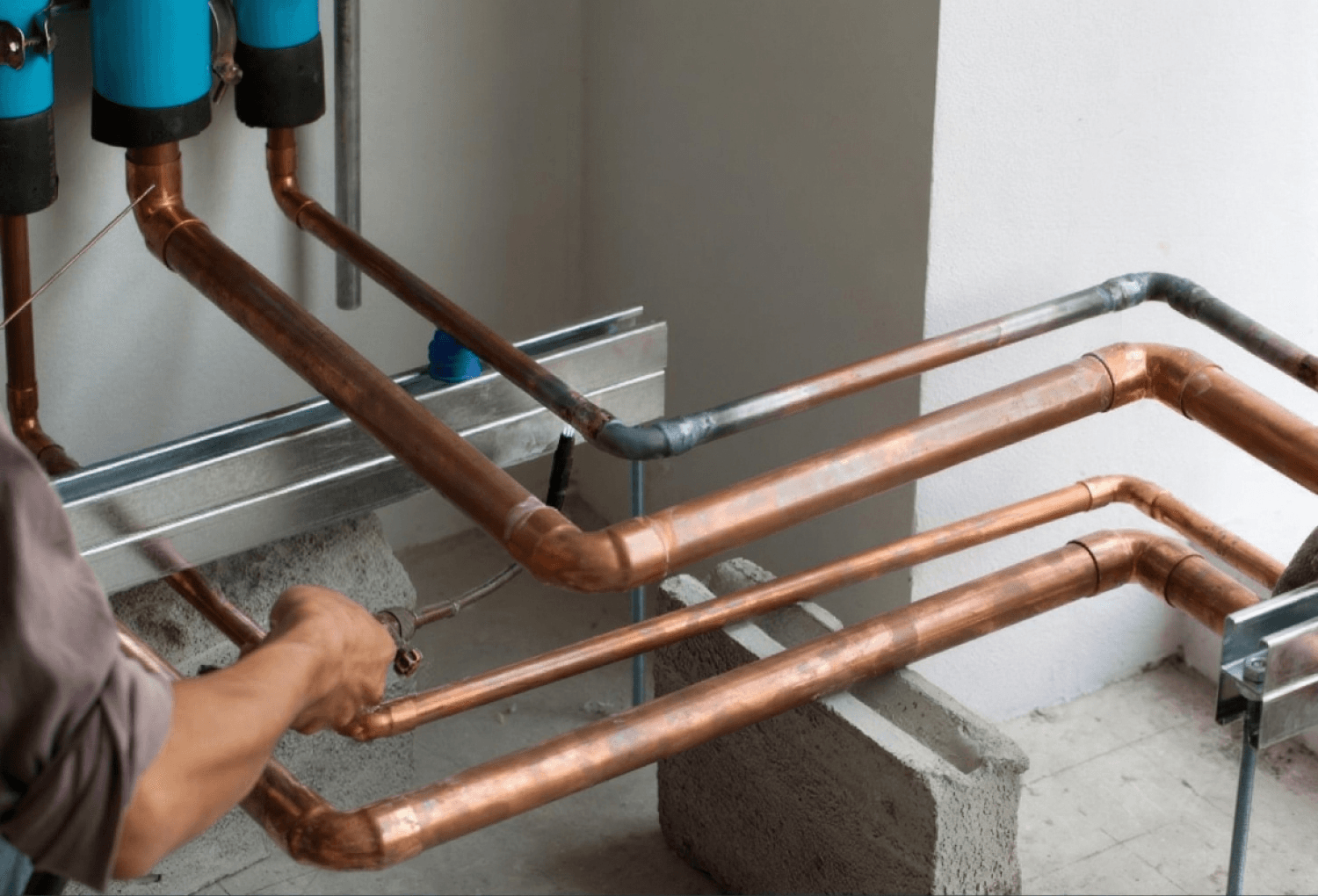
Refrigerant Piping by Zenvent Engineering

Zenvent Engineering provides professional Refrigerant Piping solutions for split AC systems, VRF systems, VRV systems, ductable AC units, package AC systems, heat pumps, cold storage rooms, commercial refrigeration, supermarket refrigeration, pharmaceutical cold rooms, data center cooling and industrial refrigeration plants.

A refrigerant piping system is an important part of any air conditioning or refrigeration system. It carries refrigerant between indoor units, outdoor units, compressors, condensers, evaporators and expansion devices. Proper refrigerant pipe installation helps maintain correct refrigerant flow, cooling performance, oil return, pressure control and long equipment life.

Whether you need HVAC refrigerant piping, AC refrigerant piping, VRF refrigerant piping, split AC copper piping, refrigerant copper pipe installation, ACR copper pipework, refrigerant pipe insulation, nitrogen pressure testing, vacuuming, leak testing, commissioning, repair or AMC service, Zenvent Engineering offers complete refrigerant piping services for commercial, industrial and residential HVAC projects.

Split AC SystemsVRF / VRV SystemsCommercial HVACRefrigeration Systems
Refrigerant Piping

HVAC Details

What is Refrigerant Piping?

Refrigerant Piping is the pipe network used in HVAC and refrigeration systems to carry refrigerant between system components. It connects indoor and outdoor units and allows refrigerant to absorb heat from indoor air and reject heat outside.

Refrigerant piping is commonly made using ACR copper pipe, refrigeration copper tubing, soft copper pipe, hard drawn copper pipe or pre-insulated copper pipe depending on system type, refrigerant type, pressure requirement and installation layout.

01

Meaning of Refrigerant Piping in HVAC

In HVAC, refrigerant piping means the copper pipework or refrigerant pipework that carries refrigerant through the air conditioning system. It includes suction line, liquid line, discharge line, hot gas line, branch joints, pipe insulation, pipe supports, service valves and refrigerant piping accessories.

02

Purpose of Refrigerant Piping

The main purpose of refrigerant piping is to move refrigerant safely and efficiently through the system. It supports:

Refrigerant flow between indoor and outdoor units

Cooling and heating operation

Heat transfer in HVAC systems

Proper suction and liquid line performance

Compressor protection

Oil return in refrigerant piping

Pressure and temperature control

VRF and VRV refrigerant distribution

Commercial refrigeration system performance

03

Role in Air Conditioning and Refrigeration Systems

Refrigerant piping connects the key parts of air conditioning and refrigeration systems. In cooling mode, refrigerant absorbs heat from indoor air through the evaporator and releases heat outside through the condenser. The refrigerant pipe allows this cycle to continue smoothly.

04

Where Refrigerant Piping is Used

Zenvent Engineering provides refrigerant piping services for:

Split air conditioners

Ductable AC systems

VRF and VRV systems

Package AC units

Heat pump systems

Cold storage rooms

Commercial refrigeration

Supermarket refrigeration

Industrial refrigeration plants

Data center cooling

Pharmaceutical cold rooms

Commercial HVAC projects

Residential AC systems

Refrigeration plants

Air conditioning systems

HVAC Details

How Refrigerant Piping System Works

The refrigerant piping system working principle is based on refrigerant circulation. Refrigerant moves between indoor and outdoor units through copper refrigerant pipes, changing pressure and temperature during the cooling or heating process.

01

Refrigerant Flow Between Indoor and Outdoor Units

The refrigerant moves between the indoor evaporator and outdoor condenser through the refrigerant line set. In split AC and VRF systems, the copper refrigerant lines connect indoor units with outdoor condensing units.

02

Suction Line Operation

The suction line carries low-pressure refrigerant vapor from the indoor evaporator back to the compressor. Suction line sizing and insulation are important for proper cooling performance and compressor protection.

03

Liquid Line Operation

The liquid line carries high-pressure liquid refrigerant from the condenser to the expansion device or indoor unit. Proper liquid line sizing helps maintain refrigerant flow and reduces pressure drop.

04

Discharge Line Operation

The discharge line carries high-pressure, high-temperature refrigerant gas from the compressor to the condenser. It is commonly used in refrigeration systems and selected HVAC applications.

05

Heat Transfer Process

Refrigerant absorbs heat inside the building and releases heat outside. The refrigerant piping system allows this heat transfer cycle to continue through the cooling or heating process.

06

Refrigerant Pressure and Temperature Control

Correct refrigerant pipe sizing, pipe routing, insulation and charging help maintain proper pressure and temperature in the system.

07

Oil Return in Refrigerant Piping

Refrigerant piping must be designed to allow oil to return to the compressor. Poor oil return can affect compressor performance and system life.

HVAC Details

Main Components of Refrigerant Piping System

A refrigerant piping system includes pipes, fittings, insulation, valves, branch joints and accessories that support safe and efficient refrigerant flow.

ComponentFunctionBenefit
Copper Refrigerant PipesCarry refrigerant between unitsSupports cooling and heating cycle
Suction LineCarries vapor refrigerant to compressorSupports compressor operation
Liquid LineCarries liquid refrigerant to expansion deviceMaintains refrigerant supply
Discharge LineCarries hot gas from compressorUsed in refrigeration systems
Hot Gas LineCarries hot refrigerant gasSupports heating or defrost applications
Refrigerant Branch JointsSplit refrigerant flow in VRF systemsSupports multiple indoor units
Headers and Refnet JointsDistribute refrigerant in VRF / VRV systemsImproves system layout
Pipe InsulationPrevents heat gain and condensationImproves energy efficiency
Pipe Supports and ClampsHold pipes in positionReduces vibration and sagging
Service ValvesSupport servicing and isolationEasier maintenance
Expansion Valve ConnectionControls refrigerant flowSupports cooling performance
Filter DrierRemoves moisture and particlesProtects system components
Sight GlassShows refrigerant flow conditionSupports system checking
Solenoid ValveControls refrigerant flowSupports automatic operation
Pressure Test PointsUsed for testing and serviceHelps commissioning and troubleshooting

HVAC Details

Types of Refrigerant Piping

Zenvent Engineering supports different refrigerant piping types based on system design, refrigerant type and HVAC application.

Type of Refrigerant PipingBest Suitable ForKey Features
Suction Refrigerant PipingAC and refrigeration systemsCarries low-pressure vapor refrigerant
Liquid Refrigerant PipingSplit AC, VRF and refrigeration systemsCarries high-pressure liquid refrigerant
Discharge Refrigerant PipingRefrigeration and compressor systemsCarries hot gas from compressor
Hot Gas Refrigerant PipingHeat pump and defrost systemsCarries high-temperature refrigerant gas
Split AC Refrigerant PipingResidential and light commercial ACCopper line set between indoor and outdoor units
VRF / VRV Refrigerant PipingMulti indoor unit HVAC systemsUses branch joints and headers
Commercial AC Refrigerant PipingOffices, malls, hotels and buildingsDesigned for larger HVAC capacity
Industrial Refrigeration PipingPlants and cold storage systemsHeavy-duty refrigerant pipework
Cold Storage Refrigerant PipingCold rooms and freezer roomsSupports low-temperature cooling
Heat Pump Refrigerant PipingHeating and cooling systemsSupports reverse cycle operation

HVAC Details

Refrigerant Piping Materials

Copper tubing used for refrigerant systems is commonly specified as ACR-grade tubing in technical specifications. Refrigerant piping material selection depends on refrigerant type, pressure rating, pipe size, system design, installation condition and manufacturer guidelines.

Material / ItemCommon UseKey Features
ACR Copper PipeHVAC refrigerant pipingSuitable for air conditioning and refrigeration systems
Soft Copper PipeSplit AC and small refrigerant linesFlexible and easy to route
Hard Drawn Copper PipeCommercial and VRF pipingStraight lengths and stronger installation
Pre-Insulated Copper PipeSplit AC and selected HVAC applicationsFactory insulation saves site work
Copper FittingsElbows, reducers and jointsSupports pipe routing
Brazing RodsCopper pipe jointingCreates strong pipe joints
Branch Joints / Refnet JointsVRF and VRV systemsDivides refrigerant flow
Pipe InsulationSuction and selected liquid linesPrevents condensation and heat gain
Pipe Clamps and SupportsPipe fixingReduces vibration and movement
01

ACR Copper Pipe

ACR copper pipe is commonly used for HVAC refrigerant piping because it is suitable for refrigerant systems and HVAC copper tubing applications.

02

Soft Copper Pipe

Soft copper refrigeration tubing is flexible and often used in split AC copper piping, small AC refrigerant line sets and compact installations.

03

Hard Drawn Copper Pipe

Hard drawn copper pipe is commonly used for commercial AC refrigerant piping, VRF refrigerant piping and larger refrigerant pipework.

04

Pre-Insulated Copper Pipe

Pre-insulated copper pipe is useful where insulation is factory-applied for AC copper lines, refrigerant line sets and selected HVAC applications.

05

Copper Fittings

Copper fittings help connect refrigerant pipes with proper routing, bending, reducers and equipment connections.

06

Brazing Rods and Jointing Materials

Brazing rods and jointing materials are used to create strong leak-resistant joints in copper refrigerant piping.

07

Material Selection Factors

Refrigerant piping material selection depends on refrigerant pressure, pipe diameter, system capacity, pipe length, refrigerant type, routing, installation height and manufacturer recommendations.

HVAC Details

Refrigerant Piping Product Specification Tables

Specifications can be customized based on refrigerant type, system capacity, pipe size, pipe length, insulation thickness, pressure testing requirement and system type.

01

Split AC Refrigerant Piping

SpecificationDetails
Service TypeSplit AC copper piping
Suitable ForResidential and light commercial split AC systems
Pipe TypeCopper refrigerant line set
Common LinesSuction line and liquid line
MaterialSoft copper or ACR copper pipe
InsulationAC pipe insulation for suction line
Joining MethodFlaring or brazing as per system requirement
TestingNitrogen pressure testing and vacuuming
Service SupportInstallation, insulation, leak testing and repair
02

VRF / VRV Refrigerant Piping

SpecificationDetails
Service TypeVRF refrigerant piping / VRV refrigerant piping
Suitable ForCommercial buildings, hotels, offices and malls
Pipe TypeACR copper pipe and branch joint system
LinesSuction, liquid and gas lines based on system design
AccessoriesRefnet joints, branch joints and headers
InsulationClosed cell insulation with vapor barrier
TestingNitrogen pressure test, vacuum and commissioning
Service SupportDesign, installation, testing and AMC
03

Commercial AC Refrigerant Piping

SpecificationDetails
Service TypeCommercial AC refrigerant piping
Suitable ForDuctable AC, package AC and commercial HVAC systems
MaterialHard drawn copper pipe or ACR copper tubing
Pipe RoutingCeiling, shaft, outdoor or plant room route
InsulationRefrigerant pipe insulation with joint sealing
SupportsPipe clamps, hangers and vibration control
TestingLeak testing, vacuuming and performance checking
Service SupportInstallation, repair and maintenance
04

Industrial Refrigeration Piping

SpecificationDetails
Service TypeIndustrial refrigeration piping
Suitable ForCold storage, freezer rooms and refrigeration plants
Pipe TypeRefrigeration copper pipe or project-specific material
LinesSuction, liquid, discharge and hot gas line
InsulationLow-temperature insulation with vapor barrier
ControlsValves, solenoid valves, filter drier and sight glass
TestingPressure testing, leak testing and commissioning
Service SupportMaintenance, repair and leakage detection
05

Cold Storage Refrigerant Piping

SpecificationDetails
Service TypeCold storage refrigerant piping
Suitable ForCold rooms, freezer rooms and pharma cold rooms
Pipe LinesSuction line, liquid line and discharge line
MaterialRefrigeration copper tubing or system-specific pipe
InsulationThick closed cell insulation for low temperature
TestingNitrogen pressure testing and vacuum holding test
Application BenefitStable low-temperature performance
Service SupportLeakage repair, insulation repair and AMC
06

Heat Pump Refrigerant Piping

SpecificationDetails
Service TypeHeat pump refrigerant piping
Suitable ForHeating and cooling heat pump systems
Pipe TypeCopper refrigerant piping
System FunctionSupports reverse cycle heating and cooling
InsulationRequired for refrigerant lines as per design
TestingPressure testing, vacuuming and refrigerant charging
Application BenefitReliable heating and cooling operation
Service SupportInstallation, maintenance and repair
07

ACR Copper Pipework

SpecificationDetails
Service TypeACR copper pipework
Suitable ForHVAC refrigerant piping and refrigeration systems
Pipe FormSoft copper or hard drawn copper
Common SizesProject-based selection such as 1/4, 3/8, 1/2, 5/8, 3/4 and 7/8 inch
JoiningBrazing, flaring or approved jointing method
InsulationBased on line type and temperature
TestingLeak test, pressure test and evacuation
Service SupportSupply, installation and commissioning

HVAC Details

Refrigerant Piping Applications

01

Split Air Conditioners

Split AC refrigerant piping connects the indoor unit and outdoor unit through copper refrigerant line sets.

02

Ductable AC Systems

Ductable AC refrigerant piping connects indoor ducted units with outdoor condensing units and supports higher airflow cooling.

03

VRF / VRV Systems

VRF refrigerant piping and VRV refrigerant piping use branch joints and headers to connect multiple indoor units with outdoor units.

04

Package AC Units

Package AC refrigerant piping supports refrigerant flow inside or between connected package air conditioning components.

05

Heat Pump Systems

Heat pump refrigerant piping supports both heating and cooling operation through refrigerant flow reversal.

06

Cold Storage Rooms

Cold storage refrigerant piping is used for low-temperature cooling and refrigeration performance.

07

Commercial Refrigeration

Commercial refrigeration systems use refrigerant piping for display cases, cold rooms, condensers and evaporators.

08

Supermarket Refrigeration

Supermarket refrigeration requires reliable refrigerant pipework for multiple cooling cases and cold storage areas.

09

Industrial Refrigeration Plants

Industrial refrigeration piping supports large-scale refrigeration loads in factories, plants and process areas.

10

Data Center Cooling

Data center cooling applications need reliable refrigerant piping for precision air conditioning and cooling equipment.

11

Pharmaceutical Cold Rooms

Pharmaceutical cold rooms use refrigerant piping for temperature-controlled storage and cooling reliability.

12

Commercial HVAC Projects

Commercial HVAC projects use refrigerant piping for split AC, ductable AC, package AC, VRF and heat pump systems.

HVAC Details

Benefits of Proper Refrigerant Piping

01

Better Cooling Performance

Correct refrigerant piping helps the HVAC system deliver stable and effective cooling.

02

Improved System Efficiency

Proper pipe sizing, insulation and routing reduce energy loss and improve efficiency.

03

Proper Refrigerant Flow

Correct pipe diameter and layout help maintain smooth refrigerant flow between system components.

04

Reduced Pressure Drop

Good refrigerant piping design reduces pressure drop and supports system capacity.

05

Better Oil Return

Proper pipe routing and velocity help return oil to the compressor and protect the system.

06

Lower Leakage Risk

Quality brazing, pressure testing and leak testing reduce refrigerant leakage risk.

07

Reduced Compressor Load

Correct refrigerant piping supports stable compressor operation and reduces stress.

08

Longer Equipment Life

Proper refrigerant piping installation helps improve the life of compressors, coils and HVAC equipment.

09

Lower Maintenance Cost

A well-installed refrigerant piping system reduces leakage, insulation damage and cooling problems.

HVAC Details

Refrigerant Piping Design Considerations

Refrigerant piping design must be planned carefully because incorrect pipe sizing, poor routing or weak installation can affect cooling capacity, refrigerant pressure, oil return and compressor life.

Design FactorWhy It Matters
Refrigerant TypeDifferent refrigerants work at different pressure levels
Cooling CapacityHelps decide pipe diameter
Pipe DiameterControls flow, velocity and pressure drop
Pipe LengthAffects refrigerant charge and pressure drop
Height DifferenceImportant for oil return and compressor protection
Pressure DropAffects cooling performance
Refrigerant VelocitySupports proper flow and oil return
Oil Return RequirementProtects compressor operation
Pipe RoutingReduces bends, vibration and pressure loss
Branch Joint PlacementImportant for VRF and VRV systems
Expansion and Vibration ControlPrevents pipe stress and noise
Manufacturer GuidelinesSupports correct system performance
Safety Code ComplianceSupports safe installation and operation

HVAC Details

Refrigerant Pipe Sizing

Correct refrigerant pipe sizing is important for cooling performance, oil return, refrigerant charge and pressure drop control. Zenvent Engineering supports refrigerant pipe sizing calculation based on system type and manufacturer requirements.

01

Suction Line Sizing

Suction line sizing depends on refrigerant velocity, compressor requirement, cooling capacity, pipe length and oil return requirement.

02

Liquid Line Sizing

Liquid line sizing depends on refrigerant flow rate, pressure drop, system capacity and expansion valve requirement.

03

Discharge Line Sizing

Discharge line sizing is important in refrigeration systems and depends on hot gas flow, compressor capacity and pressure drop.

04

Pipe Length Calculation

Pipe length calculation includes actual pipe length between indoor and outdoor units.

05

Equivalent Length Calculation

Equivalent length includes bends, fittings, branch joints and accessories that add resistance to refrigerant flow.

06

Pressure Drop Calculation

Pressure drop calculation helps ensure the system can deliver required cooling without excessive refrigerant pressure loss.

07

Refrigerant Velocity Calculation

Refrigerant velocity must be suitable for proper refrigerant movement and oil return.

08

Refrigerant Charge Calculation

Longer refrigerant piping may require additional refrigerant charge as per system design.

09

Manufacturer Selection Tables

VRF, VRV, split AC and commercial AC systems should follow manufacturer pipe sizing and length guidelines.

HVAC Details

Refrigerant Piping Installation

Zenvent Engineering provides refrigerant piping installation for split AC, VRF, VRV, ductable AC, commercial AC, heat pump, cold storage and refrigeration systems.

01

Refrigerant Piping Installation Process

01

Site inspection

02

Drawing and layout review

03

Pipe size and route confirmation

04

Pipe cutting and preparation

05

Pipe routing and support installation

06

Copper pipe brazing or flaring

07

Nitrogen purging during brazing

08

Branch joint installation for VRF / VRV systems

09

Indoor and outdoor unit connection

10

Pipe insulation installation

11

Labeling and identification

12

Nitrogen pressure testing

13

Leak testing

14

Vacuuming and evacuation

15

Refrigerant charging if required

16

Testing and commissioning

02

Pipe Cutting and Preparation

Copper pipes should be cut cleanly and prepared properly to prevent burrs, dirt and contamination inside the refrigerant line.

03

Pipe Routing

Refrigerant pipe routing should reduce unnecessary bends, protect pipes from damage and follow equipment layout requirements.

04

Pipe Support Installation

Refrigerant pipe supports, clamps and hangers prevent sagging, vibration and stress on copper pipes.

05

Copper Pipe Brazing

Copper pipe brazing creates strong and leak-resistant joints when performed correctly.

06

Nitrogen Purging During Brazing

Nitrogen purging during brazing helps reduce internal oxidation inside the copper pipe and protects system cleanliness.

07

Branch Joint Installation

VRF and VRV systems need proper branch joint installation to distribute refrigerant evenly to indoor units.

08

Indoor and Outdoor Unit Connection

The refrigerant line set must be connected correctly to indoor and outdoor units with proper flaring, brazing, insulation and leak testing.

HVAC Details

Refrigerant Piping Insulation

Refrigerant pipe insulation is important for energy efficiency, condensation prevention and system performance.

01

Purpose of Refrigerant Pipe Insulation

Insulation helps reduce heat gain, prevent condensation and maintain refrigerant temperature.

02

Condensation Prevention

Cold refrigerant lines can sweat when warm humid air touches the pipe surface. Proper insulation prevents condensation and water dripping.

03

Heat Gain Reduction

Refrigerant pipe insulation reduces unwanted heat gain and supports better cooling performance.

04

Energy Efficiency

Good insulation helps the HVAC system operate more efficiently by reducing thermal loss.

05

Closed Cell Insulation

Closed cell insulation is commonly used for refrigerant piping because it helps resist moisture absorption and supports condensation prevention.

06

Vapor Barrier Requirement

A proper vapor barrier helps prevent moisture from entering the insulation system.

07

UV Protection for Outdoor Pipes

Outdoor refrigerant pipe insulation may need UV protection, cladding or weatherproof covering to prevent damage.

08

Insulation Thickness Selection

Refrigerant pipe insulation thickness depends on pipe size, refrigerant temperature, ambient temperature, humidity and installation location.

09

Joint Sealing and Finishing

Insulation joints should be sealed properly to avoid gaps, condensation and heat gain.

HVAC Details

Refrigerant Piping Testing and Commissioning

Testing and commissioning are important to ensure refrigerant piping is leak-free, clean, dry and ready for operation.

01

Visual Inspection

Visual inspection checks pipe routing, support, insulation, joint quality, branch joints and equipment connections.

02

Nitrogen Pressure Testing

Nitrogen pressure testing is used to check pipe strength and identify leakage before refrigerant charging.

03

Leak Testing

Leak testing helps detect refrigerant pipe leakage at joints, valves, fittings and equipment connections.

04

Pressure Holding Test

A pressure holding test confirms whether the piping system can maintain pressure without leakage.

05

Vacuum / Evacuation

Vacuuming removes air and moisture from refrigerant piping before system operation.

06

Vacuum Holding Test

A vacuum holding test confirms system tightness and helps identify moisture or leakage issues.

07

Refrigerant Charging

Refrigerant charging is done as per system requirement after pressure testing and vacuuming.

08

Superheat and Subcooling Checking

Superheat and subcooling checking helps confirm refrigerant system performance.

09

System Performance Testing

Performance testing checks cooling, pressure, temperature, refrigerant flow and system stability.

10

Final Commissioning Report

The final commissioning report confirms that refrigerant piping installation, testing and system performance are complete.

HVAC Details

Refrigerant Piping Maintenance

Regular refrigerant piping maintenance helps prevent refrigerant leakage, insulation damage, vibration, corrosion and low cooling performance.

01

Refrigerant Piping Maintenance Checklist

Maintenance ActivityPurpose
Leak InspectionDetects refrigerant leakage early
Insulation InspectionPrevents condensation and heat gain
Pipe Support CheckingReduces vibration and sagging
Vibration InspectionPrevents pipe stress and leakage
Corrosion CheckingProtects pipe life
Pressure MonitoringChecks system operation
Temperature MonitoringConfirms cooling performance
Refrigerant Charge CheckingPrevents undercharging or overcharging
Oil Return CheckingProtects compressor operation
Joint InspectionReduces leakage risk
Preventive Maintenance ScheduleImproves long-term reliability
02

Leak Inspection

Refrigerant leakage can reduce cooling and damage equipment. Regular leak inspection helps maintain system performance.

03

Insulation Inspection

Damaged insulation should be repaired quickly to prevent sweating, heat gain and energy loss.

04

Pipe Support Checking

Loose or missing pipe supports can cause vibration, noise and stress on pipe joints.

05

Refrigerant Charge Checking

Incorrect refrigerant charge can cause low cooling, high pressure, low pressure and compressor problems.

06

Oil Return Checking

Oil return checking is important in long refrigerant piping systems, VRF systems and refrigeration applications.

HVAC Details

Common Refrigerant Piping Problems

ProblemPossible ReasonSolution
Refrigerant leakagePoor brazing, loose flare or damaged pipeLeak detection and repair
Improper pipe sizingWrong diameter selectionPipe sizing review and correction
Poor brazing jointIncorrect brazing or no nitrogen purgingJoint repair and pressure testing
Damaged insulationUV damage, poor sealing or moisture entryInsulation repair or replacement
Pipe condensation / sweatingMissing insulation or vapor barrier failureInsulation correction
High pressure dropLong route, undersized pipe or too many bendsRouting and sizing correction
Poor oil returnWrong pipe slope or low refrigerant velocityDesign review and correction
Pipe vibrationWeak supports or compressor vibrationSupport correction and vibration control
Refrigerant noiseFlow restriction or poor pipe routingSystem checking and pipe correction
Low cooling performanceLeakage, wrong charge or blocked lineLeak testing and performance checking
Overcharging or underchargingIncorrect refrigerant quantityRefrigerant charge correction
Moisture in refrigerant linePoor evacuation or open pipe exposureVacuuming and filter drier checking

HVAC Details

Refrigerant Piping vs Other HVAC Piping

01

Refrigerant Piping vs Chilled Water Piping

Refrigerant piping carries refrigerant between air conditioning or refrigeration components. Chilled water piping carries chilled water from a chiller to AHUs, FCUs and cooling coils.

02

Refrigerant Piping vs Condenser Water Piping

Refrigerant piping carries refrigerant gas or liquid. Condenser water piping carries water between chiller condenser and cooling tower.

03

Refrigerant Piping vs Drain Piping

Refrigerant piping carries pressurized refrigerant. Drain piping removes condensate water from HVAC equipment.

04

Refrigerant Piping vs Plumbing Copper Pipe

Refrigerant piping uses copper pipe suitable for HVAC and refrigeration applications. Plumbing copper pipe is used for water supply and is not selected the same way as refrigerant copper pipe.

05

Refrigerant Piping vs Hot Water Piping

Refrigerant piping carries refrigerant for cooling or heating cycle. Hot water piping carries hot water for heating applications.

HVAC Details

Refrigerant Piping Cost Factors

The refrigerant piping cost depends on pipe material, pipe diameter, total pipe length, refrigerant type, number of indoor units, system type, branch joints, insulation, testing and installation complexity.

01

Main Factors That Affect Refrigerant Piping Cost

Cost FactorImpact on Cost
Pipe MaterialACR copper pipe, soft copper and hard drawn copper vary in cost
Pipe DiameterLarger diameter pipes cost more
Total Pipe LengthLonger refrigerant line routes increase material and labor cost
Refrigerant TypeDifferent refrigerants require suitable pressure-rated piping
Number of Indoor UnitsMore indoor units increase branch joints and pipe length
VRF / Split / Commercial AC System TypeSystem type affects layout and material requirement
Branch Joint RequirementVRF and VRV systems need refnet joints and headers
Insulation Type and ThicknessBetter insulation increases upfront cost but improves performance
Site Height and AccessibilityDifficult access increases installation effort
Testing and Commissioning ScopePressure testing, vacuuming and commissioning affect cost
Installation ComplexityRouting, bends, supports and ceiling work affect total price
02

Refrigerant Piping Cost Per Meter

Refrigerant piping cost per meter depends on copper pipe size, insulation type, pipe route, fittings, supports and installation condition.

03

Refrigerant Piping Price in India

Refrigerant piping price in India varies based on copper price, pipe diameter, insulation, labor, testing and project complexity.

04

VRF Refrigerant Piping Installation Cost

VRF refrigerant piping installation cost depends on number of indoor units, branch joints, pipe length, height difference, insulation and commissioning scope.

05

Split AC Copper Pipe Installation Cost

Split AC copper pipe installation cost depends on pipe length, pipe size, insulation, wall cutting, routing and installation access.

HVAC Details

Refrigerant Piping Services by Zenvent Engineering

Zenvent Engineering provides complete refrigerant piping services for residential, commercial and industrial HVAC systems.

01

Refrigerant Piping Design

We support refrigerant piping design, layout planning, routing, pipe sizing coordination and system selection support.

02

Refrigerant Pipe Supply

We supply refrigerant copper pipes, ACR copper pipes, fittings, insulation, supports, clamps and piping accessories as per project requirement.

03

Refrigerant Piping Installation

Our installation service includes pipe routing, support fixing, brazing, branch joint installation, equipment connection, insulation and labeling.

04

VRF Refrigerant Piping

We provide VRF refrigerant piping installation for commercial buildings, hotels, offices, malls and multi-zone HVAC projects.

05

Split AC Copper Piping

We provide split AC copper piping for residential, commercial and light HVAC applications.

06

Refrigerant Pipe Insulation

We provide refrigerant pipe insulation, vapor barrier sealing, UV protection and insulation repair.

07

Refrigerant Pipe Pressure Testing

We provide nitrogen pressure testing and pressure holding tests for refrigerant piping systems.

08

Refrigerant Pipe Vacuuming

We provide vacuuming and evacuation to remove air and moisture before system operation.

09

Refrigerant Piping Commissioning

We support refrigerant charging, leak checking, system performance testing and final commissioning.

10

Refrigerant Piping Maintenance

We provide preventive maintenance, insulation checking, pipe support checking, refrigerant charge checking and leak inspection.

11

Refrigerant Piping Repair

We repair refrigerant pipe leakage, damaged insulation, poor joints, vibration issues and low cooling problems.

12

Refrigerant Leakage Repair

We provide refrigerant leakage detection and repair for AC systems, VRF systems and refrigeration systems.

13

Refrigerant Piping AMC

Zenvent Engineering offers AMC service for refrigerant piping systems to support regular inspection and reliable operation.

HVAC Details

Why Choose Zenvent Engineering for Refrigerant Piping?

Zenvent Engineering delivers reliable refrigerant piping solutions for HVAC and refrigeration projects. We focus on proper pipe sizing, quality installation, leak-free joints, proper insulation, accurate pressure testing, vacuuming and long-term service support.

01

Our Refrigerant Piping Advantages

Refrigerant piping design support

HVAC refrigerant piping installation

VRF and VRV refrigerant piping service

Split AC copper piping installation

Commercial AC refrigerant piping support

Cold storage refrigerant piping solutions

ACR copper pipework and insulation

Copper pipe brazing with nitrogen purging

Nitrogen pressure testing and leak testing

Vacuuming and commissioning

Refrigerant leakage repair

Preventive maintenance and AMC support

FAQ

FAQs on Refrigerant Piping

Refrigerant piping is the pipe network used in HVAC and refrigeration systems to carry refrigerant between indoor units, outdoor units, compressors, condensers and evaporators.

0