
01
Return Air Intake
Warm indoor air returns to the package AC unit through return air ducts or return air grilles.
Zenvent Engineering provides professional Package Air-Conditioner solutions for commercial buildings, offices, showrooms, restaurants, hotels, hospitals, shopping malls, retail stores, schools, warehouses, factories and large open spaces. A package AC is a powerful HVAC system designed for centralized cooling, easy duct connection and efficient air distribution across large areas.
A packaged air conditioner combines the main cooling components in a single cabinet, making it suitable for rooftop installation, platform installation and commercial HVAC projects where indoor space needs to be saved. Whether you need a rooftop package AC, air cooled package AC, water cooled package AC, DX package unit, commercial package AC or ducted package AC, Zenvent Engineering provides complete support from selection to installation and maintenance.
Our services include package AC supply, package AC installation, package AC maintenance, package AC repair, package AC cleaning, gas filling, ductwork, drain pipe work, testing, commissioning, replacement and AMC service.
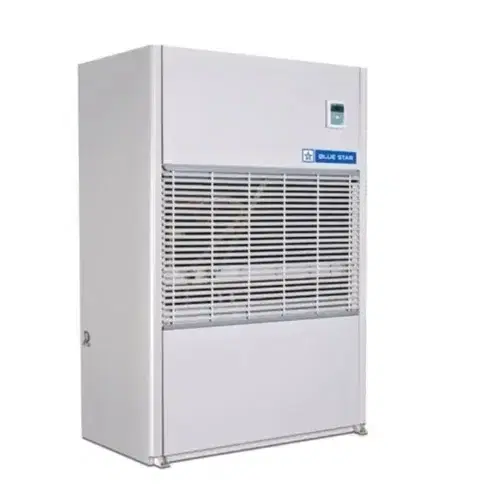
A Package Air-Conditioner is a self-contained AC unit where major components such as the compressor, evaporator coil, condenser coil, blower, filter and control panel are placed in one cabinet. It is also called a packaged air conditioner, package AC, package HVAC unit or packaged HVAC system.
In HVAC, package AC means a single package air conditioner that contains the main cooling components in one unit. It can be connected to ductwork to distribute conditioned air across the building.
A packaged air conditioner is a complete cooling system designed in one cabinet. It is commonly used for commercial packaged air conditioner applications where strong airflow and centralized cooling are required.
The purpose of package air-conditioning is to provide reliable cooling for large spaces with easy service access, flexible duct connection and reduced indoor equipment requirement.
A package AC unit is designed as a single cabinet cooling system. This helps reduce the need for separate indoor and outdoor units like a split AC system.
Package AC units are used in commercial buildings, offices, showrooms, restaurants, hotels, hospitals, shopping malls, retail stores, schools, conference halls, warehouses, factories and industrial facilities.
A package air conditioner works by taking return air from the space, filtering it, cooling it through the evaporator coil and supplying the cooled air through ductwork.
Warm indoor air returns to the package AC unit through return air ducts or return air grilles.
The return air passes through the package AC filter. This helps remove dust and supports cleaner airflow inside the building.
The evaporator coil cools the return air by absorbing heat from it. This cooled air is then ready for supply distribution.
The compressor circulates refrigerant through the package AC system and supports the cooling cycle.
The condenser coil rejects heat from the refrigerant to the outside air or water circuit, depending on whether the system is air cooled or water cooled.
The supply fan or blower pushes cooled air through ductwork. This air reaches the rooms through supply air diffusers or grilles.
A thermostat or controller manages the package AC operation based on the required indoor temperature.
During cooling, moisture from the air becomes condensate water. This water collects in the drain pan and moves out through the package AC drain pipe.
A packaged AC system includes all major HVAC components required for cooling and air distribution.
The compressor circulates refrigerant and supports the cooling process.
The evaporator coil absorbs heat from return air and cools the air before supply distribution.
The condenser coil rejects heat collected from the indoor space.
The expansion device controls refrigerant flow before it enters the evaporator coil.
The supply fan or blower moves cooled air through the ducting system.
The return air section receives warm air from the building for cooling.
Air filters help remove dust and support proper airflow.
The drain pan collects condensate water produced during cooling.
The condensate drain line removes water safely from the unit.
Package AC duct connection allows cooled air to be supplied through ductwork.
The thermostat or controller manages temperature, operation mode and system control.
The electrical control panel manages wiring, safety components and operating controls.
The cabinet protects all internal components and supports rooftop, platform or outdoor installation.
Zenvent Engineering helps select the right package AC system based on cooling load, application, installation location and airflow requirement.
An air cooled package air conditioner rejects heat to outdoor air and is commonly used in commercial HVAC applications.
A water cooled package AC uses water for heat rejection and is suitable for specific commercial and industrial cooling projects.
A rooftop package AC is installed on a rooftop or platform and connected to ductwork for building cooling.
An indoor package unit is installed inside a service area or mechanical space where indoor installation is required.
A DX package air conditioner uses direct expansion cooling and is commonly used in commercial air conditioning systems.
A cooling only package air conditioner is designed only for cooling applications.
A heat pump package unit can provide cooling and heating, depending on system design and requirement.
A gas electric packaged HVAC unit combines electric cooling with gas heating in one unit.
An electric package AC uses electric power for cooling and system operation.
An inverter package AC adjusts compressor operation based on cooling demand for better energy performance.
A non-inverter package AC works with fixed-speed operation and is suitable for standard cooling needs.
Commercial package AC systems are suitable for offices, showrooms, hotels, hospitals, restaurants, malls and commercial buildings.
Industrial package AC systems are used for factories, warehouses, industrial facilities and large open spaces.
Package air conditioners are widely used in commercial and industrial spaces that need reliable centralized cooling.
Packaged AC for commercial building applications supports centralized cooling through ductwork.
Package AC for office cooling provides consistent air distribution across workspaces, cabins and common areas.
Packaged air conditioner for showroom spaces helps maintain comfort while keeping the indoor area clean and open.
Package AC for restaurant cooling supports comfortable dining areas and large seating spaces.
Package AC for hotel HVAC systems can be used for lobbies, banquet halls, corridors and service areas.
Package AC for hospital HVAC supports cooling in waiting areas, service spaces, rooms and common zones.
Shopping malls use packaged AC systems for large-area cooling and ducted air distribution.
Package AC for retail stores helps maintain steady cooling across display and customer areas.
Packaged AC for school buildings is suitable for classrooms, halls and administrative spaces.
Package AC for conference rooms and halls provides powerful airflow for large occupancy spaces.
Package AC for warehouse cooling supports temperature control in large storage or work areas.
Packaged air conditioner for factory spaces supports industrial cooling needs.
Industrial package AC systems are suitable for production areas, technical rooms and large facilities.
Package AC systems are suitable for large hall cooling and open commercial spaces.
A package air conditioner offers practical benefits for commercial HVAC projects and large cooling applications.
A package AC combines major components in one cabinet, making the system compact and service-friendly.
Because the unit can be installed on a rooftop or platform, it helps save indoor mechanical room space.
Rooftop package AC units are commonly used for commercial buildings where roof space is available.
Package AC units can connect with supply and return ductwork for centralized air distribution.
A package air conditioning system can cool large areas through ducted air distribution.
Since the components are placed in one cabinet, service and maintenance access can be easier when installed properly.
Commercial package AC systems are designed for offices, hotels, hospitals, restaurants, malls, showrooms and industrial facilities.
Package AC systems can be selected as cooling only, heat pump package unit, gas electric package unit or packaged heating and air conditioning system.
Since the main equipment is often installed outdoors or on the rooftop, indoor noise can be lower when the system is properly designed.
Selecting the right package AC unit is important for cooling performance, airflow, energy efficiency and long-term reliability.
Building size helps decide the required package AC capacity and ducting layout.
Cooling load depends on area, occupancy, equipment heat, lighting, glass exposure and insulation.
Airflow must match room layout, duct design and cooling demand.
Package AC with ducting system requires proper supply and return duct design for balanced cooling.
The installation location should be selected based on space, access, duct route and structural support.
Air cooled and water cooled package AC systems have different heat rejection methods and application needs.
The system should be selected based on whether the building needs only cooling or both heating and cooling.
Energy efficient package AC systems help reduce long-term operating cost.
Low noise package AC is important for offices, hotels, hospitals, schools and commercial buildings.
Some package AC systems can be planned with fresh air connection or economizer options depending on the project requirement.
Proper service access is important for cleaning, inspection, repair and preventive maintenance.
Package AC price depends on capacity, type, brand, ductwork, installation location, electrical work and service requirement.
Zenvent Engineering provides professional package AC installation for commercial, industrial and large-space cooling projects.
Our team checks site conditions, available space, duct route, power supply, drainage and installation access.
Cooling load assessment helps select the right package AC capacity for the building.
The package AC unit location is planned for airflow, service access, safety and duct connection.
For rooftop package AC installation, the platform or support structure must be prepared properly.
Supply and return ductwork is connected to the package AC unit for proper air distribution.
Electrical wiring is completed with proper load calculation, protection and control connection.
The drain pipe connection removes condensate water safely from the unit.
The thermostat or controller is connected for temperature control and system operation.
The refrigerant circuit is checked to ensure proper cooling performance.
Airflow balancing helps distribute air evenly across the connected spaces.
Testing and commissioning include cooling performance check, airflow check, electrical check, drainage check and system operation verification.
Ductwork is an important part of a package air conditioning system. Proper duct design improves cooling, comfort and energy performance.
Supply air ducts carry cooled air from the package AC unit to different areas.
Return air ducts bring warm indoor air back to the package AC unit.
Correct duct sizing helps prevent low airflow, noise and uneven cooling.
Duct insulation helps reduce cooling loss and condensation issues.
Flexible duct connections are used where required to reduce vibration and connect diffusers.
Air diffuser placement affects cooling coverage and comfort.
Return air grille placement supports proper air circulation and return airflow.
Duct leakage reduces cooling performance. Proper sealing helps maintain system efficiency.
Air balancing ensures proper airflow to all connected areas.
Regular package AC maintenance helps improve system performance, reduce breakdowns and extend equipment life.
Package AC filter cleaning improves airflow and helps maintain indoor air quality.
Filters should be replaced when they are damaged, clogged or no longer effective.
Evaporator coil cleaning helps restore cooling performance.
Condenser coil cleaning supports better heat rejection and energy efficiency.
Blower inspection helps identify airflow issues, vibration and motor problems.
Drain line cleaning helps prevent water leakage and blockage.
Compressor checking helps identify abnormal operation, noise or performance issues.
Refrigerant level checking helps detect gas shortage or leakage.
Electrical connections should be inspected for safety and reliable operation.
Thermostat checking helps maintain accurate temperature control.
Duct inspection helps identify leakage, blockage, insulation damage and airflow issues.
Zenvent Engineering provides package AC preventive maintenance and AMC service for commercial buildings, offices, hotels, hospitals, restaurants, showrooms, malls, warehouses and industrial facilities.
Package AC problems should be inspected by trained HVAC technicians to prevent further damage and poor cooling performance.
Package AC not cooling may happen due to dirty filters, low refrigerant, coil blockage, compressor issue, thermostat fault or airflow restriction.
Low airflow can be caused by clogged filters, blower issues, duct blockage or incorrect duct sizing.
Uneven cooling may happen due to poor duct layout, air leakage, wrong diffuser placement or improper air balancing.
A dirty filter reduces airflow and cooling efficiency.
Dust or dirt on evaporator and condenser coils can reduce cooling performance.
Water leakage may happen due to drain pan issues, blocked drain line or improper drainage.
Drain line blockage can cause water overflow and leakage from the unit.
Compressor problems can affect the complete cooling cycle.
Refrigerant leakage reduces cooling and must be repaired before gas filling.
Fan motor failure can reduce airflow and affect system operation.
Thermostat issues can cause incorrect temperature control or system switching problems.
High electricity consumption may be caused by dirty coils, clogged filters, poor airflow, low refrigerant or lack of maintenance.
Noise or vibration may happen due to loose components, fan issues, compressor problems or improper installation support.
Comparing package AC with other systems helps select the right HVAC solution.
A split AC has separate indoor and outdoor units, while a package AC combines major components in one cabinet and can connect to ductwork.
A ducted AC usually has a concealed indoor unit and separate outdoor unit. A package AC is a self-contained system that supplies air through ducts.
A cassette AC is ceiling mounted and supplies air directly into the room, while a package AC usually distributes air through ductwork.
A VRF system supports multiple indoor units and zones, while a package AC is commonly used for centralized cooling through ducts.
A rooftop unit is a type of package AC installed on the roof. Many commercial package AC units are rooftop packaged units.
Central AC systems cool large spaces through centralized equipment and ductwork. Package AC can be used as a compact centralized cooling solution.
A window AC is used for single-room cooling, while package AC is suitable for larger commercial and industrial cooling applications.
Package air conditioner price depends on capacity, system type, installation location and project requirements.
Higher capacity package AC units cost more and are selected based on cooling load.
Air cooled and water cooled package AC systems have different equipment and installation requirements.
Cooling only package AC and heat pump package unit options have different pricing and features.
Blue Star package AC, Voltas package AC, Daikin package unit, Carrier package unit, Mitsubishi package unit, LG package unit and other brand options may vary in price and specifications.
High efficiency package AC units may have higher initial cost but can support better energy performance.
Ductwork design, duct length, insulation and diffuser quantity can affect total project cost.
Rooftop installation, platform preparation, crane access and indoor package unit placement can influence installation cost.
Electrical load, protection devices, wiring and control connection affect total installation cost.
Drain pipe length, slope and routing can impact installation planning.
Thermostat control, automation, fresh air connection and economizer options may affect pricing.
Testing, commissioning, airflow balancing and system verification are important parts of professional installation.
Package AC service cost depends on system capacity, location, maintenance frequency and site conditions.
Zenvent Engineering provides complete package air conditioner services for commercial, industrial and residential HVAC requirements.
We help supply suitable package AC units based on cooling load, site conditions and application.
Our package AC installation service includes unit placement, duct connection, electrical wiring, drain pipe connection, thermostat setup, airflow balancing and commissioning.
We provide package AC maintenance to improve cooling performance, airflow and system reliability.
Our technicians inspect and repair cooling issues, compressor problems, fan motor failure, refrigerant leakage, thermostat faults and electrical problems.
Package AC cleaning includes filter cleaning, evaporator coil cleaning, condenser coil cleaning, blower cleaning and drain line cleaning.
We provide gas filling after checking refrigerant leakage and system condition.
Zenvent Engineering provides ductwork installation, duct insulation, diffuser placement, return air grille setup and air balancing.
Proper drain pipe work helps prevent water leakage and drainage problems.
Testing and commissioning ensure proper cooling, airflow, drainage, electrical safety and system operation.
We support replacement of old, inefficient or faulty package AC units.
Our package AC AMC service is suitable for offices, hotels, hospitals, restaurants, showrooms, shopping malls, warehouses, factories and commercial buildings.
Zenvent Engineering delivers reliable HVAC support for package air conditioner projects, from system selection to installation, repair and maintenance.
Our team understands package HVAC units, rooftop package AC installation, ductwork, electrical connection, drainage and commissioning.
We provide packaged AC solutions for offices, showrooms, hotels, hospitals, restaurants, malls, warehouses and industrial facilities.
From package AC supply to installation, maintenance, repair, cleaning, gas filling and AMC, Zenvent Engineering provides complete support.
We focus on duct sizing, diffuser placement, return air planning and airflow balancing for better cooling performance.
Our work focuses on safe installation, neat duct connection, proper drainage, efficient cooling and long-term system performance.
A package air-conditioner is a self-contained AC system where major cooling components are placed in one cabinet.