Zenvent Engineering

Acoustic And Soundproofing

Acoustic & Noise Control

Acoustic And Soundproofing

Zenvent Engineering provides professional Acoustic And Soundproofing solutions for commercial buildings, offices, studios, home theatres, hotels, hospitals, schools, restaurants, auditoriums, HVAC systems, mechanical rooms, generator rooms, compressor rooms, and industrial plants.

Our acoustic soundproofing services are designed to reduce noise transmission, control echo, improve speech clarity, reduce HVAC duct noise, support privacy, and create a more comfortable indoor environment. From acoustic panels and ceiling soundproofing to duct acoustic lining, generator soundproofing, industrial noise control, and acoustic enclosure installation, Zenvent Engineering delivers complete noise control solutions for different project needs.

Acoustic PanelsSoundproofingHVAC Noise ControlIndustrial Noise Control
Acoustic And Soundproofing
Overview

What is Acoustic And Soundproofing?

Meaning of Acoustic Treatment

Acoustic treatment focuses on improving the sound quality inside a room or space. It helps control echo, reverberation, sound reflection, and unwanted noise build-up. Acoustic panels, acoustic ceiling panels, acoustic baffles, acoustic foam, acoustic wall panels, and acoustic ceiling treatment are commonly used for this purpose.

Meaning of Soundproofing

Soundproofing focuses on blocking or reducing sound transfer from one area to another. Wall soundproofing, ceiling soundproofing, floor soundproofing, room soundproofing, soundproof doors, acoustic sealant, mass loaded vinyl, resilient channel, and soundproof panels are used to reduce airborne noise, impact noise, and sound leakage.

Purpose of Acoustic and Soundproofing Solutions

The purpose of acoustic and soundproofing solutions is to reduce noise, improve comfort, support privacy, control HVAC noise, reduce machinery noise, improve room acoustics, and create a better sound environment. Zenvent Engineering provides acoustic insulation, sound insulation, soundproofing insulation, and noise control services for both commercial and industrial applications.

Where Acoustic Soundproofing is Used

Acoustic soundproofing is used in office spaces, meeting rooms, conference rooms, home theatres, recording studios, podcast rooms, music rooms, auditoriums, hotels, hospitals, classrooms, restaurants, shopping malls, factories, AHU rooms, pump rooms, generator rooms, compressor rooms, and HVAC duct systems.

Difference Between Sound Absorption and Sound Blocking

Sound absorption reduces echo and reverberation inside a room. Sound blocking reduces sound transfer between spaces. Acoustic panels and acoustic foam mainly support sound absorption, while soundproof drywall, mass loaded vinyl, acoustic sealant, resilient channels, acoustic barriers, and soundproof enclosures help with sound blocking.

Working Principle

How Acoustic And Soundproofing Works

01

Sound Absorption

Sound absorption reduces reflected sound inside a room. Acoustic panels, acoustic foam, acoustic ceiling tiles, acoustic wall panels, polyester soundproofing panels, fabric wrapped panels, and mineral wool acoustic insulation help absorb sound energy and reduce echo.

02

Sound Blocking

Sound blocking helps stop sound from passing through walls, ceilings, floors, doors, windows, ducts, and partitions. Soundproofing material, soundproof panels, acoustic barriers, sound barriers, mass loaded vinyl, and acoustic sealant help reduce sound transmission.

03

Sound Damping

Sound damping reduces vibration and sound energy within surfaces. Sound damping materials are useful for ductwork, machinery noise control, HVAC noise control, compressor soundproofing, and generator soundproofing.

04

Sound Isolation

Sound isolation separates the noise source from the receiving space. It is useful for studio soundproofing, home theatre soundproofing, mechanical room soundproofing, pump room soundproofing, and room soundproofing.

05

Vibration Control

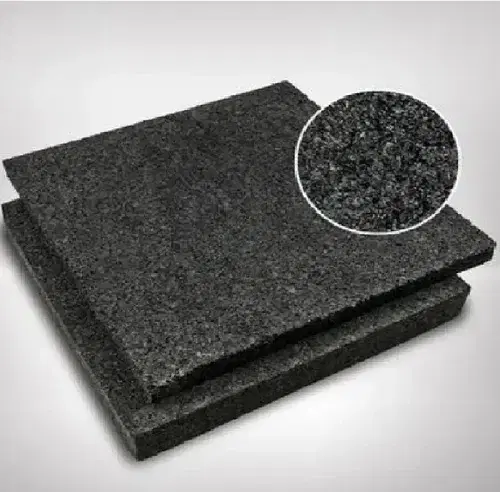
Vibration control uses anti vibration pads, acoustic mats, vibration isolation mounts, and resilient channels to reduce structure-borne noise from HVAC equipment, pumps, blowers, compressors, and machinery.

06

Echo and Reverberation Control

Echo and reverberation control improves speech clarity and comfort. Acoustic ceiling panels, acoustic wall panels, acoustic baffles, acoustic ceiling clouds, and auditorium acoustic treatment are used to control sound reflections.

07

Noise Transmission Reduction

Noise transmission reduction is achieved by combining sound absorption, sound blocking, sound damping, acoustic sealant, door seals, duct silencers, acoustic barriers, and proper installation detailing.

HVAC Details

Main Components of Acoustic And Soundproofing Systems

01

Acoustic Panels

Acoustic panels are used for echo control, sound absorption, office soundproofing, studio acoustic treatment, restaurant acoustic treatment, conference room acoustics, and auditorium acoustics.

02

Acoustic Ceiling Tiles

Acoustic ceiling tiles help reduce ceiling reflections, control room noise, and improve indoor acoustic comfort.

03

Acoustic Wall Panels

Acoustic wall panels are installed on walls to reduce echo, improve speech clarity, and create a clean decorative soundproofing finish.

04

Acoustic Foam

Acoustic foam is used for sound absorption in studios, podcast rooms, music rooms, and selected indoor acoustic projects.

05

Rock Wool Insulation

Rock wool acoustic insulation is used for wall soundproofing, ceiling soundproofing, acoustic partitions, and industrial acoustic insulation.

06

Glass Wool Insulation

Acoustic glass wool supports sound insulation in walls, ceilings, ducts, and HVAC acoustic insulation applications.

07

Mineral Wool Insulation

Mineral wool acoustic insulation is used for sound absorption, sound insulation, and acoustic wall or ceiling systems.

08

Mass Loaded Vinyl

Mass loaded vinyl and MLV soundproofing are used where additional sound blocking is required in walls, floors, ceilings, partitions, and duct lagging.

09

Acoustic Sealant

Acoustic sealant is used to close gaps, joints, edges, and leakage points that allow sound to pass through.

10

Soundproof Doors

Soundproof doors help reduce sound transfer between rooms, cabins, studios, conference rooms, and mechanical spaces.

11

Acoustic Door Seals

Acoustic door seals help reduce sound leakage through door gaps.

12

Acoustic Underlay

Acoustic underlay is used for floor soundproofing and impact noise reduction between floors.

13

Acoustic Baffles

Acoustic baffles are suspended sound absorption elements used in large rooms, auditoriums, factories, restaurants, and commercial spaces.

14

Acoustic Barriers

Acoustic barriers and sound barriers are used to control noise from machinery, generators, compressors, HVAC plants, and outdoor equipment.

15

Acoustic Enclosures

Acoustic enclosures are used for DG sets, compressors, machinery, pumps, blowers, and industrial noise control applications.

16

Duct Silencers

Duct silencers and HVAC duct silencers reduce fan noise, airflow noise, and duct noise transmission in HVAC systems.

17

Sound Attenuators

Sound attenuators are installed in air conditioning ducts to reduce noise travelling through ductwork.

18

Anti-Vibration Pads

Anti vibration pads help reduce vibration noise from HVAC equipment, pumps, machines, and compressors.

HVAC Details

Types of Acoustic And Soundproofing Solutions

01

Wall Soundproofing

Wall soundproofing is used for neighbor noise, cabin privacy, meeting room soundproofing, office soundproofing, studio soundproofing, and bedroom wall soundproofing.

02

Ceiling Soundproofing

Ceiling soundproofing helps reduce upstairs noise, HVAC ceiling noise, impact noise, and sound transmission through slabs or suspended ceilings.

03

Floor Soundproofing

Floor soundproofing uses acoustic mats, acoustic underlay, resilient layers, and soundproofing floors solutions to reduce impact noise and vibration.

04

Room Soundproofing

Room soundproofing combines wall, ceiling, floor, door, and window treatments to reduce sound transfer and improve privacy.

05

HVAC Acoustic Insulation

HVAC acoustic insulation helps control fan noise, blower noise, duct noise, AHU noise, and mechanical room noise.

06

Duct Acoustic Lining

Duct acoustic lining and acoustic duct liner are installed inside ductwork to absorb sound and reduce duct noise transmission.

07

Industrial Noise Control

Industrial soundproofing includes acoustic enclosures, acoustic barriers, acoustic baffles, anti vibration pads, duct silencers, and machinery noise control solutions.

08

Generator Acoustic Enclosure

Generator soundproofing and DG acoustic enclosure systems reduce generator noise in commercial and industrial buildings.

09

Compressor Acoustic Enclosure

Compressor soundproofing uses acoustic enclosure, acoustic lining, vibration isolation, and noise barriers to reduce compressor room noise.

10

Acoustic Panels

Acoustic panels are used in offices, studios, auditoriums, restaurants, hotels, classrooms, and home theatres.

11

Acoustic Baffles

Acoustic baffles are suitable for large open spaces where wall panels alone may not provide enough sound absorption.

12

Acoustic Barriers

Acoustic barriers are used for external soundproofing, outdoor soundproofing, machinery noise control, and HVAC plant noise reduction.

13

Acoustic Louvers

Acoustic louvers help reduce noise while allowing airflow in generator rooms, HVAC rooms, and mechanical rooms.

14

Vibration Isolation

Vibration isolation reduces structure-borne noise from HVAC equipment, compressors, blowers, pumps, and industrial machines.

15

Studio Acoustic Treatment

Studio soundproofing and recording studio acoustic treatment improve sound quality, reduce echo, and control unwanted noise.

HVAC Details

Acoustic And Soundproofing Materials

01

Rock Wool

Rock wool is used for acoustic insulation in walls, ceilings, partitions, studios, auditoriums, and industrial acoustic applications.

02

Glass Wool

Glass wool supports sound insulation and acoustic absorption in HVAC ducts, ceilings, walls, and commercial spaces.

03

Mineral Wool

Mineral wool acoustic insulation is used for sound absorption, acoustic wall insulation, and ceiling soundproofing.

04

Acoustic Foam

Acoustic foam is used for echo control in studios, podcast rooms, home studios, and selected music rooms.

05

Polyester Fiber Panels

Polyester soundproofing panels are lightweight, decorative, and suitable for office acoustic treatment, wall panels, and ceiling panels.

06

Fabric Wrapped Panels

Fabric wrapped acoustic panels provide sound absorption with a clean interior finish for offices, hotels, conference rooms, and auditoriums.

07

Perforated Wooden Panels

Perforated wooden panels are used where acoustic performance and interior aesthetics are both important.

08

Perforated Metal Panels

Perforated metal panels are suitable for commercial, industrial, and architectural soundproofing projects.

09

Mass Loaded Vinyl

Mass loaded vinyl is used for sound blocking in walls, ceilings, floors, doors, and duct lagging systems.

10

Acoustic Gypsum Board

Acoustic gypsum board and soundproof drywall are used to improve wall and ceiling soundproofing.

11

Resilient Channels

Resilient channels reduce sound transfer by separating the finished surface from the structural frame.

12

Acoustic Sealant

Acoustic sealant is used around gaps, edges, joints, and penetrations to reduce sound leakage.

13

Rubber Acoustic Mats

Rubber acoustic mats are used for floor soundproofing, vibration isolation, and machinery noise control.

14

Nitrile Rubber Acoustic Insulation

Nitrile acoustic insulation is used in HVAC acoustic insulation, duct soundproofing, and selected mechanical applications.

15

Material Selection Factors

Material selection depends on noise type, STC rating, NRC rating, room size, surface area, fire safety requirement, moisture resistance, finish, budget, and installation condition.

HVAC Details

Applications of Acoustic And Soundproofing

01

Commercial Buildings

Commercial soundproofing helps reduce noise transfer, improve privacy, and create comfortable working environments.

02

Office Spaces

Office soundproofing solutions include acoustic panels, acoustic ceiling panels, soundproof cabins, meeting room soundproofing, and conference room acoustics.

03

Conference Rooms

Conference room acoustic treatment improves speech clarity and reduces echo during meetings and presentations.

04

Meeting Rooms

Meeting room soundproofing supports privacy, reduces external noise, and improves communication quality.

05

Hotels

Hotel acoustic insulation helps improve guest comfort by reducing room-to-room noise, corridor noise, HVAC noise, and service area noise.

06

Hospitals

Hospital acoustic insulation supports quieter patient rooms, consultation rooms, waiting areas, and mechanical spaces.

07

Schools and Classrooms

Acoustic treatment for school classrooms improves speech clarity and reduces noise distractions.

08

Auditoriums

Auditorium acoustic treatment uses acoustic panels, acoustic baffles, ceiling clouds, wall panels, and sound absorption systems.

09

Recording Studios

Recording studio acoustic treatment and studio soundproofing help create controlled sound environments for recording, mixing, and production.

10

Home Theatres

Home theatre soundproofing helps reduce sound leakage and improves the listening experience.

11

Restaurants

Restaurant acoustic treatment reduces crowd noise, echo, and harsh sound reflections.

12

Shopping Malls

Shopping malls use acoustic treatment and noise control solutions for food courts, service areas, plant rooms, and entertainment zones.

13

Mechanical Rooms

Acoustic insulation for mechanical rooms helps reduce pump noise, blower noise, HVAC fan noise, and vibration noise.

14

AHU Rooms

Acoustic insulation for AHU rooms and acoustic treatment for AHU rooms help reduce air handling unit noise.

15

Generator Rooms

Soundproofing for generator rooms uses DG acoustic enclosures, acoustic louvers, barriers, and vibration isolation.

16

Compressor Rooms

Acoustic insulation for compressor rooms reduces compressor noise and vibration transfer.

17

Factories and Industrial Plants

Industrial acoustic insulation and factory noise control solutions help reduce machinery noise and improve the workplace environment.

18

HVAC Duct Systems

HVAC duct soundproofing, acoustic duct lining, duct silencers, and sound attenuators help reduce duct noise and airflow noise.

HVAC Details

Benefits of Acoustic And Soundproofing

01

Reduces Noise Transmission

Soundproofing insulation and acoustic barriers help reduce sound transfer between rooms, floors, ducts, and equipment areas.

02

Controls Echo and Reverberation

Acoustic treatment controls echo, reverberation, and unwanted reflections inside rooms.

03

Improves Indoor Comfort

A quieter indoor space feels more comfortable for work, rest, meetings, learning, entertainment, and hospitality.

04

Improves Speech Clarity

Acoustic panels and ceiling soundproofing help improve speech clarity in offices, classrooms, auditoriums, and conference rooms.

05

Reduces HVAC Noise

HVAC soundproofing, duct acoustic insulation, duct silencers, and acoustic duct lining reduce fan noise and airflow noise.

06

Controls Machinery Noise

Industrial soundproofing reduces noise from compressors, generators, pumps, blowers, and production machines.

07

Improves Workplace Productivity

Noise control services help create a better working environment by reducing distractions and unwanted sound.

08

Supports Privacy in Rooms

Room soundproofing, wall soundproofing, acoustic doors, and acoustic sealant help improve privacy in cabins, offices, and meeting rooms.

09

Creates Better Acoustic Environment

Acoustic treatment services create a balanced sound environment for communication, recording, entertainment, and comfort.

10

Helps Meet Noise Control Requirements

Professional acoustic and soundproofing solutions support project-level noise reduction and acoustic performance requirements.

HVAC Details

Acoustic And Soundproofing for HVAC Systems

01

HVAC Fan Noise Control

HVAC fan noise control reduces sound generated by fans, blowers, AHUs, and ventilation equipment.

02

AHU Noise Reduction

AHU noise reduction uses acoustic lining, duct silencers, vibration isolation, and mechanical room acoustic treatment.

03

Blower Noise Control

Blower noise control helps reduce sound from air movement and mechanical vibration.

04

Duct Noise Reduction

Duct noise reduction uses acoustic duct liner, duct lagging, sound attenuators, and duct silencers.

05

Airflow Noise Control

Airflow noise control improves duct design performance and reduces unwanted sound from air movement.

06

Duct Acoustic Lining

Duct acoustic lining absorbs sound inside ductwork and helps reduce noise transmission.

07

Duct Silencer Installation

Duct silencer installation is useful for HVAC duct noise control in offices, hotels, hospitals, malls, and commercial buildings.

08

Sound Attenuator Selection

Sound attenuator selection depends on duct size, airflow, noise level, pressure drop, and project requirements.

09

Vibration Isolation for HVAC Equipment

Anti vibration pads and vibration isolation mounts reduce noise from HVAC machines and rotating equipment.

10

Acoustic Treatment for Mechanical Rooms

Mechanical room acoustic treatment reduces noise transfer from pumps, blowers, AHUs, chillers, and compressors.

HVAC Details

Acoustic Duct Lining And Duct Soundproofing

01

Purpose of Acoustic Duct Lining

Acoustic duct lining reduces noise travelling inside HVAC ducts and improves indoor acoustic comfort.

02

Duct Liner Material Selection

Duct liner material selection depends on noise level, airflow, duct size, hygiene requirement, fire safety, and acoustic performance.

03

Sound Attenuator Installation

Sound attenuators are installed in duct systems to reduce fan noise and airflow noise before it reaches occupied spaces.

04

Duct Lagging for Noise Reduction

Duct lagging and acoustic lagging help reduce duct breakout noise and vibration-related sound.

05

Acoustic Insulation for Supply Ducts

Supply ducts can transmit fan and airflow noise. Acoustic insulation for supply ducts helps reduce this issue.

06

Acoustic Insulation for Return Ducts

Return ducts may carry room noise and equipment noise. Acoustic lining helps control sound transfer.

07

Acoustic Insulation for Exhaust Ducts

Exhaust ducts can carry fan noise to external areas. Duct soundproofing helps reduce disturbance.

08

Fan Noise Transmission Control

Fan noise transmission control uses duct lining, silencers, attenuators, vibration isolation, and acoustic barriers.

09

Duct Vibration Reduction

Duct vibration reduction helps reduce rattling, humming, and structure-borne noise.

10

Airflow Noise Control

Proper duct acoustic treatment helps reduce noise caused by high velocity airflow, bends, and duct transitions.

HVAC Details

Room Soundproofing Solutions

01

Wall Soundproofing

Wall soundproofing is used for apartment walls, office cabins, studios, bedrooms, conference rooms, and commercial partitions.

02

Ceiling Soundproofing

Ceiling soundproofing helps reduce upstairs noise, ceiling noise, HVAC noise, and impact sound transfer.

03

Floor Soundproofing

Floor soundproofing uses acoustic underlay, acoustic mat, rubber acoustic mat, and impact noise control materials.

04

Door Soundproofing

Door soundproofing uses acoustic door seals, solid core doors, drop seals, and proper edge sealing.

05

Window Soundproofing

Window soundproofing helps reduce external noise from roads, machinery, traffic, and outdoor equipment.

06

Acoustic Sealant Application

Acoustic sealant is applied around gaps, joints, penetrations, partition edges, and service openings.

07

Soundproof Partition Design

Soundproof partition design combines acoustic boards, insulation, resilient channels, sealants, and proper detailing.

08

Acoustic Panel Placement

Correct acoustic panel placement improves echo control and avoids poor panel coverage.

09

Echo Control and Reverberation Reduction

Echo control and reverberation reduction are important for clear speech, better meetings, and comfortable room acoustics.

HVAC Details

Industrial Acoustic And Soundproofing

01

Machinery Noise Control

Machinery noise control uses acoustic enclosures, barriers, vibration isolation, and sound absorption systems.

02

Generator Noise Control

Generator soundproofing solutions include DG acoustic enclosure, acoustic louvers, anti vibration pads, and sound barriers.

03

Compressor Noise Control

Compressor soundproofing reduces mechanical noise, vibration noise, and airborne noise.

04

Pump Noise Control

Pump room soundproofing uses vibration isolation, acoustic barriers, and room acoustic treatment.

05

Blower Noise Control

Blower noise control helps reduce sound from industrial blowers, ventilation fans, and HVAC equipment.

06

Factory Noise Reduction

Factory noise control solutions reduce noise from machines, production lines, compressors, pumps, and ventilation systems.

07

Acoustic Enclosures

Acoustic enclosures isolate noisy equipment and reduce sound exposure in surrounding areas.

08

Acoustic Barriers

Acoustic barriers block direct sound paths from machinery and outdoor equipment.

09

Acoustic Louvers

Acoustic louvers reduce noise while maintaining ventilation in generator rooms and HVAC rooms.

10

Anti-Vibration Mounts

Anti vibration mounts reduce structure-borne noise from machines and HVAC equipment.

11

Worker Noise Exposure Control

Industrial acoustic treatment helps create a more controlled noise environment in plants and manufacturing spaces.

HVAC Details

Acoustic And Soundproofing Selection Guide

01

Noise Source Identification

The first step is identifying whether the noise comes from HVAC ducts, machinery, generators, compressors, pumps, walls, ceilings, floors, doors, or outdoor sources.

02

Type of Noise

The solution depends on whether the problem is airborne noise, impact noise, vibration noise, flanking noise, low frequency noise, or reverberation.

03

Airborne Noise Requirement

Airborne noise from voices, music, traffic, equipment, and HVAC systems requires proper sound blocking and sealing.

04

Impact Noise Requirement

Impact noise from footsteps, floor vibration, and mechanical movement requires acoustic underlay, acoustic mats, and resilient layers.

05

Room Size and Surface Area

Room size and surface area affect acoustic panel coverage, ceiling treatment, and overall sound absorption requirement.

06

Required STC Rating

STC soundproofing rating helps measure how well a wall, floor, ceiling, or partition reduces sound transfer.

07

Required NRC Rating

NRC rating helps measure how much sound an acoustic material can absorb.

08

Wall, Ceiling, or Floor Application

Material and installation method change based on whether the treatment is for a wall, ceiling, floor, duct, enclosure, or room.

09

HVAC Noise Requirement

HVAC acoustic insulation depends on fan noise, duct layout, airflow, AHU room location, and noise transfer path.

10

Fire Safety Requirement

Fire safety requirements affect material selection for commercial soundproofing, industrial acoustic insulation, and HVAC acoustic systems.

11

Moisture Resistance Requirement

Moisture resistance is important in HVAC ducts, plant rooms, mechanical rooms, and selected industrial areas.

12

Aesthetic Requirement

Decorative soundproofing options include fabric panels, perforated wooden panels, acoustic ceiling panels, and architectural soundproofing finishes.

13

Budget and Price

Soundproofing cost depends on area, material type, thickness, rating requirement, installation complexity, and testing needs.

HVAC Details

Acoustic Ratings And Performance Terms

01

STC Rating

STC rating measures sound blocking performance. Higher STC rating generally means better reduction of airborne sound transfer.

02

NRC Rating

NRC rating measures sound absorption performance. It is used for acoustic panels, acoustic ceiling panels, acoustic foam, and insulation materials.

03

Sound Transmission Loss

Sound transmission loss shows how much sound energy is reduced when passing through a material or system.

04

Reverberation Time

Reverberation time is the time sound remains in a room after the sound source stops.

05

Decibel Reduction

Decibel reduction shows how much noise level is reduced after acoustic treatment or soundproofing installation.

06

Airborne Noise

Airborne noise includes voices, music, traffic noise, generator noise, compressor noise, and HVAC fan noise.

07

Impact Noise

Impact noise includes footsteps, floor impact, equipment vibration, and structure-borne movement.

08

Flanking Noise

Flanking noise travels through indirect paths such as gaps, ducts, ceilings, floors, service openings, and structural connections.

09

Frequency Range

Frequency range affects acoustic material selection. Low frequency noise usually needs stronger soundproofing and thicker acoustic treatment.

10

Low Frequency Noise Control

Bass soundproofing and low frequency noise control require mass, isolation, damping, and proper sealing.

HVAC Details

Acoustic And Soundproofing Installation

01

Site Noise Assessment

Zenvent Engineering starts with site noise assessment to understand noise sources, room conditions, HVAC noise, machinery noise, and sound leakage paths.

02

Acoustic Requirement Review

We review acoustic requirements such as STC rating, NRC rating, room purpose, HVAC noise level, and required comfort level.

03

Material Selection

Material selection may include acoustic panels, acoustic foam, rock wool, glass wool, mass loaded vinyl, acoustic sealant, acoustic mats, duct silencers, and acoustic enclosures.

04

Surface Preparation

Walls, ceilings, floors, ducts, and equipment surfaces are prepared before installation.

05

Wall Panel Installation

Acoustic wall panels are installed with proper layout, spacing, fixing method, and edge finishing.

06

Ceiling Panel Installation

Acoustic ceiling panels, ceiling tiles, suspended ceiling soundproofing, and ceiling clouds are installed based on the room requirement.

07

Acoustic Insulation Installation

Acoustic insulation is installed inside walls, ceilings, partitions, ducts, enclosures, and mechanical rooms.

08

Acoustic Sealant Application

Acoustic sealant is applied to gaps, edges, joints, and service penetrations to reduce sound leakage.

09

Duct Lining Installation

Acoustic duct lining is installed inside duct systems for HVAC noise reduction.

10

Acoustic Enclosure Installation

Acoustic enclosures are installed around generators, compressors, pumps, blowers, and machinery.

11

Vibration Isolation Installation

Anti vibration pads and vibration isolation mounts are installed under HVAC equipment and machines.

12

Final Noise Testing

Final noise testing and inspection help confirm acoustic performance and installation quality.

HVAC Details

Acoustic Panel Installation

01

Wall Panel Layout

Wall panel layout is planned based on reflection points, room size, seating layout, and acoustic requirement.

02

Ceiling Panel Layout

Ceiling panel layout helps control reflections from the ceiling and improve overall room acoustics.

03

Fabric Wrapped Panel Installation

Fabric wrapped panels provide sound absorption with a professional interior finish.

04

Perforated Panel Installation

Perforated wooden or metal panels are installed where acoustic performance and design appearance are both required.

05

Adhesive or Frame Fixing

Panels can be fixed with adhesive, frames, clips, or mechanical fasteners depending on surface condition and panel type.

06

Edge Finishing

Clean edge finishing improves appearance and long-term performance.

07

Panel Spacing and Coverage

Correct panel spacing and coverage are important for effective echo control and sound absorption.

08

Final Visual Inspection

Final visual inspection checks alignment, surface finish, panel joints, fixing strength, and installation quality.

HVAC Details

Acoustic Testing And Inspection

01

Noise Level Measurement

Noise level measurement helps understand the current sound condition before and after treatment.

02

Reverberation Testing

Reverberation testing checks echo control and room acoustic performance.

03

Sound Transmission Testing

Sound transmission testing helps evaluate how much noise passes through walls, ceilings, floors, doors, or partitions.

04

HVAC Noise Checking

HVAC noise checking identifies fan noise, duct noise, airflow noise, AHU noise, and mechanical room sound transfer.

05

Vibration Checking

Vibration checking helps identify structure-borne noise from machines, pumps, HVAC equipment, and compressors.

06

Room Acoustic Performance Review

Room acoustic performance review confirms whether the room is suitable for meetings, recording, entertainment, learning, or work.

07

Duct Noise Inspection

Duct noise inspection checks duct lining, silencers, airflow, vibration, and duct breakout noise.

08

Final Acoustic Report

Zenvent Engineering can provide acoustic testing and reporting support for project handover and maintenance planning.

HVAC Details

Acoustic And Soundproofing Maintenance

01

Acoustic Panel Inspection

Regular acoustic panel inspection helps identify loose panels, damaged surfaces, and poor coverage areas.

02

Fabric Surface Cleaning

Fabric acoustic panels should be cleaned carefully to maintain appearance and performance.

03

Duct Liner Inspection

Duct liner inspection checks damage, loose lining, airflow-related wear, and acoustic performance.

04

Acoustic Sealant Checking

Acoustic sealant should be checked for cracks, gaps, and separation.

05

Door Seal Inspection

Door seal inspection helps maintain soundproofing performance in rooms and cabins.

06

Vibration Mount Inspection

Vibration mounts and anti vibration pads should be checked for wear, compression, or displacement.

07

Acoustic Enclosure Inspection

Acoustic enclosures should be inspected for panel damage, loose doors, ventilation openings, and seal condition.

08

Damage Repair and Replacement

Damaged acoustic panels, duct liners, seals, mats, and insulation should be repaired or replaced quickly.

09

Periodic Noise Level Review

Periodic noise level review helps maintain long-term acoustic performance in commercial and industrial spaces.

HVAC Details

Common Acoustic And Soundproofing Problems

01

Poor Noise Reduction

Poor noise reduction can happen due to wrong material selection, poor installation, gaps, or insufficient coverage.

02

Echo Still Present

Echo may remain if acoustic panel coverage is too low or panels are placed incorrectly.

03

Sound Leakage Through Gaps

Gaps around doors, windows, ducts, electrical openings, and partitions can allow sound leakage.

04

Flanking Noise Through Structure

Flanking noise travels through indirect structural paths and needs careful sealing and isolation.

05

Poor Door or Window Sealing

Doors and windows are common sound leakage points. Acoustic door seals and window treatment can improve performance.

06

Wrong Material Selection

Using only acoustic foam where sound blocking is required may not solve the problem.

07

Low Frequency Noise Problem

Low frequency noise from bass, generators, compressors, and machinery needs mass, damping, isolation, and proper enclosure design.

08

HVAC Duct Noise

HVAC duct noise may require duct acoustic lining, duct silencer, sound attenuator, duct lagging, or vibration isolation.

09

Vibration Noise

Vibration noise comes from equipment movement and requires anti vibration pads, mounts, and isolation systems.

10

Poor Panel Placement

Incorrect acoustic panel placement reduces echo control and room acoustic performance.

11

Insufficient Acoustic Coverage

Low panel coverage may not reduce reverberation enough in large or reflective spaces.

12

Damaged Acoustic Panels

Damaged acoustic panels should be repaired or replaced to maintain acoustic performance and visual quality.

HVAC Details

Acoustic And Soundproofing vs Other Solutions

01

Acoustic Treatment vs Soundproofing

Acoustic treatment improves sound quality inside a room. Soundproofing reduces sound transfer between spaces.

02

Sound Absorption vs Sound Blocking

Sound absorption controls echo. Sound blocking prevents sound from passing through walls, floors, ceilings, doors, and ducts.

03

Acoustic Panels vs Soundproof Panels

Acoustic panels mainly absorb sound reflections, while soundproof panels are designed to reduce sound transmission.

04

Rock Wool vs Glass Wool Acoustic Insulation

Rock wool and glass wool are both used for acoustic insulation, but selection depends on density, fire requirement, installation area, and performance requirement.

05

Acoustic Foam vs Mineral Wool

Acoustic foam is useful for echo control, while mineral wool is often used inside walls, ceilings, and panels for stronger acoustic absorption.

06

Mass Loaded Vinyl vs Acoustic Panels

Mass loaded vinyl supports sound blocking, while acoustic panels support sound absorption and echo control.

07

Duct Silencer vs Duct Lining

A duct silencer reduces duct noise at specific locations, while duct lining absorbs sound along duct surfaces.

08

Acoustic Enclosure vs Acoustic Barrier

An acoustic enclosure surrounds the noise source, while an acoustic barrier blocks sound between the source and the receiver.

09

Vibration Isolation vs Sound Absorption

Vibration isolation reduces structure-borne noise, while sound absorption reduces reflected sound inside a space.

HVAC Details

Acoustic And Soundproofing Cost Factors

01

Area to be Treated

Larger wall, ceiling, floor, duct, or room areas require more material and installation time.

02

Type of Noise Problem

Airborne noise, impact noise, HVAC noise, machinery noise, and low frequency noise require different solutions.

03

Required Noise Reduction Level

Higher noise reduction requirements may need stronger materials, layered systems, and detailed sealing.

04

Material Type

Soundproofing material, acoustic panels, acoustic foam, rock wool, glass wool, mass loaded vinyl, duct silencers, and acoustic enclosures have different costs.

05

Panel Thickness

Thicker panels and insulation materials may be required for stronger sound absorption and low frequency control.

06

STC or NRC Requirement

STC and NRC rating requirements affect material selection and system design.

07

Wall, Ceiling, Floor, or Duct Application

Cost changes based on whether the project requires wall soundproofing, ceiling soundproofing, floor soundproofing, or HVAC duct soundproofing.

08

Acoustic Enclosure Requirement

Generator acoustic enclosure cost and compressor acoustic enclosure cost depend on equipment size, ventilation, access doors, and noise reduction target.

09

HVAC Duct Noise Control Requirement

Duct soundproofing cost depends on duct size, duct length, silencer requirement, liner type, and installation access.

10

Fire Rating Requirement

Fire safety requirements can affect material cost and installation method.

11

Aesthetic Finish Requirement

Decorative soundproofing, fabric wrapped panels, perforated wooden panels, and architectural finishes can affect overall cost.

12

Installation Complexity

Difficult access, height, equipment layout, and working conditions affect installation cost.

13

Testing Requirement

Noise testing and acoustic reporting may add to the final project cost.

HVAC Details

Acoustic And Soundproofing Services

01

Acoustic Consultancy

Zenvent Engineering provides acoustic consultancy for noise control, room acoustics, HVAC noise, and industrial soundproofing needs.

02

Noise Assessment

We inspect noise sources, room conditions, duct systems, equipment rooms, and sound leakage points.

03

Acoustic Design

Our acoustic design services include material selection, panel layout, duct silencer planning, enclosure design, and soundproofing detailing.

04

Soundproofing Installation

We install soundproofing insulation, acoustic sealant, sound barriers, acoustic underlay, soundproof panels, and complete room soundproofing systems.

05

Acoustic Panel Installation

We install acoustic panels, acoustic wall panels, acoustic ceiling panels, fabric wrapped panels, and decorative acoustic panels.

06

Wall Soundproofing

Our wall soundproofing services help reduce neighbor noise, room-to-room noise, and office privacy issues.

07

Ceiling Soundproofing

We provide ceiling soundproofing for offices, flats, studios, meeting rooms, home theatres, and commercial spaces.

08

Floor Soundproofing

Our floor soundproofing solutions include acoustic mat, acoustic underlay, and impact noise reduction systems.

09

HVAC Acoustic Insulation

Zenvent Engineering provides HVAC acoustic insulation for AHU rooms, ducts, mechanical rooms, blower rooms, and ventilation systems.

10

Duct Acoustic Lining

We install acoustic duct lining, acoustic duct liner, duct lagging, and duct acoustic insulation for HVAC noise control.

11

Duct Silencer Installation

Our duct silencer installation services help reduce HVAC fan noise and duct noise transmission.

12

Generator Acoustic Enclosure

We provide DG acoustic enclosure and generator soundproofing solutions for commercial and industrial sites.

13

Compressor Acoustic Enclosure

We provide compressor acoustic enclosure and compressor soundproofing for mechanical and industrial spaces.

14

Industrial Noise Control

Our industrial noise control services cover factory noise control, machinery noise control, pump noise control, blower noise control, and equipment noise control.

15

Acoustic Testing and Reporting

Zenvent Engineering provides acoustic testing, noise level measurement, inspection, and reporting support.

16

Acoustic Maintenance Services

We provide maintenance for acoustic panels, duct liners, acoustic enclosures, vibration mounts, door seals, and soundproofing systems.

HVAC Details

Why Choose Zenvent Engineering for Acoustic And Soundproofing?

01

Complete Acoustic Solution Provider

Zenvent Engineering provides acoustic treatment, soundproofing insulation, HVAC acoustic insulation, duct soundproofing, room soundproofing, and industrial noise control under one service approach.

02

HVAC and Industrial Experience

Our team understands HVAC duct noise, AHU room noise, generator noise, compressor noise, pump room noise, mechanical room noise, and factory noise control requirements.

03

Practical Material Selection

We recommend acoustic panels, soundproof panels, duct silencers, acoustic barriers, acoustic sealant, acoustic underlay, mass loaded vinyl, and insulation materials based on actual site needs.

04

Clean Installation and Finishing

Our installation process focuses on proper fixing, sealing, alignment, panel layout, duct lining, vibration control, and final inspection.

05

Service for Commercial and Industrial Projects

Zenvent Engineering serves offices, hotels, hospitals, schools, restaurants, malls, auditoriums, studios, mechanical rooms, HVAC systems, and industrial plants.

FAQs

FAQs on Acoustic And Soundproofing

Acoustic And Soundproofing is the process of improving sound quality inside a space and reducing unwanted noise transfer between spaces.

0