
01
Air Movement Through Flexible Duct
Air moves through the flexible duct from the main duct, AC unit, AHU, FCU or ventilation system toward the connected air outlet or return point.
Zenvent Engineering provides professional Flexible Duct Work solutions for HVAC systems, air conditioning systems, ventilation systems, ducted AC, package AC, AHU, FCU, VRF indoor units, false ceiling HVAC systems, fresh air ventilation and exhaust ventilation. Flexible ductwork is widely used for connecting main ductwork to air diffusers, grilles and terminal points where rigid duct installation is difficult or where flexible routing is required.
Flexible duct work is also known as flexible ductwork, flex duct, flexible air duct, flexible HVAC duct, AC flexible duct, flexible ducting, flexible duct hose and flexible air ducting. It is suitable for commercial buildings, office buildings, hotels, hospitals, shopping malls, restaurants, residential buildings, cleanrooms, pharmaceutical HVAC systems, data centers, factories and warehouses.
Zenvent Engineering provides complete flexible ductwork services including flexible duct supply, flexible duct installation, flexible duct replacement, flexible duct repair, flexible duct insulation, flexible duct sealing, leakage testing, air balancing, cleaning and AMC service. Our flexible duct solutions are designed for smooth airflow, proper sealing, reduced vibration, better air distribution and reliable HVAC performance.
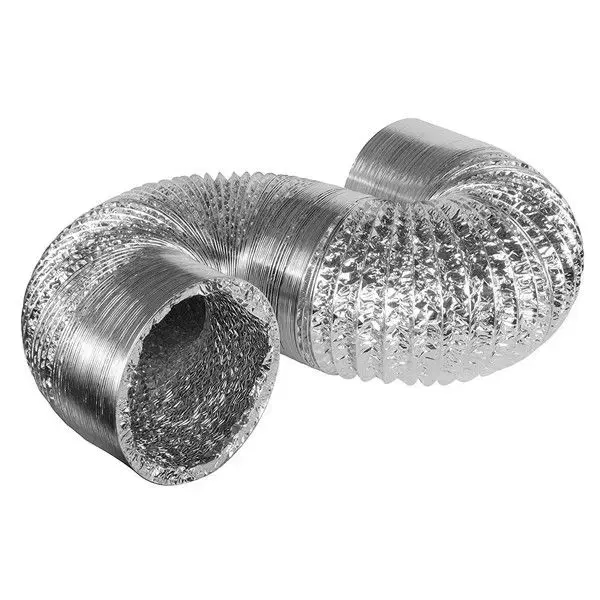
Flexible Duct Work is a type of air duct used in HVAC and air conditioning systems to move air between rigid ducts, diffusers, grilles, AHU, FCU, ducted AC units, package AC units and ventilation outlets. Unlike rigid ductwork, flexible ductwork can bend and route through tight spaces, making it useful for false ceiling areas and final air distribution connections.
In HVAC, flexible ductwork means a flexible air duct used for supply air, return air, fresh air or exhaust air movement. It is commonly connected between rigid ductwork and diffusers or grilles to complete the air distribution system.
The main purpose of flexible ductwork is to provide an easy, adjustable and practical air connection where rigid ductwork cannot be installed easily. It helps complete HVAC air distribution with less fabrication time and better routing flexibility.
Flexible ducts carry conditioned air, return air, fresh air or exhaust air from one point to another. They are often used as short final connections between main ducts and room air outlets.
Flexible ductwork is used in commercial buildings, offices, hotels, hospitals, malls, restaurants, homes, ducted AC systems, package AC systems, AHU and FCU connections, VRF indoor units, false ceilings, fresh air systems and exhaust ventilation systems.
Flexible ductwork works by allowing air to move through a bendable duct path. It connects HVAC equipment, rigid ducts, diffusers and grilles while maintaining airflow between different sections of the system.
Air moves through the flexible duct from the main duct, AC unit, AHU, FCU or ventilation system toward the connected air outlet or return point.
Flexible duct is commonly used to connect a rigid duct branch to a supply air diffuser. This makes diffuser installation easier in false ceilings and tight spaces.
Flexible supply air duct carries cooled or conditioned air from the ducting system to the room through diffusers or grilles.
Flexible return air duct helps move room air back toward the HVAC equipment or return air grille.
Flexible fresh air duct can bring outdoor air into the HVAC system, while flexible exhaust duct can remove stale air, odor or unwanted air from specific spaces.
Correct flexible duct size, length, bend radius, support spacing and sealing are important for maintaining airflow and controlling static pressure.
A flexible ductwork system includes the duct body, insulation, support, sealing and connection accessories.
The inner core is the air-carrying section of the flexible duct. It allows air to pass through the duct path.
The wire helix reinforcement gives the flexible duct its round shape and helps prevent collapse during airflow.
Insulated flexible duct includes a thermal insulation layer to reduce heat gain, condensation and energy loss.
The outer vapor barrier jacket protects the insulation layer and helps prevent moisture-related issues.
The duct collar connects flexible duct to rigid ducts, diffusers, grilles or equipment outlets.
Duct clamps secure the flexible duct connection at collars, boots and adapters.
Foil tape or duct sealant is used to seal joints and reduce air leakage.
Flexible duct hangers support the duct and prevent sagging, compression and airflow restriction.
Flexible duct connects to supply air diffusers for room air distribution.
Flexible duct connects to return air grilles or exhaust grilles where required.
Flexible duct connects to rigid ductwork through collars, boots or transition pieces.
Access openings help inspect, maintain and clean flexible duct connections where needed.
Zenvent Engineering provides different types of flexible ductwork based on airflow, insulation, noise control, material and application.
Insulated flexible duct is used for air conditioning systems where temperature control, condensation prevention and energy efficiency are important.
Non-insulated flexible duct is used in selected ventilation applications where thermal insulation is not required.
Acoustic flexible duct helps reduce air noise and vibration transfer in HVAC systems.
Aluminium flexible duct is lightweight and commonly used in HVAC and ventilation applications.
PVC flexible duct is used in selected ventilation, exhaust and air movement applications.
Polyester flexible duct is used where lightweight and flexible air distribution is required.
Wire reinforced flexible duct has a spiral wire structure that supports the duct shape and airflow path.
Round flexible duct is commonly used for diffuser, grille and branch duct connections.
Flexible supply air duct carries conditioned air from the HVAC system to the room.
Flexible return air duct carries room air back to the HVAC system.
Flexible fresh air duct is used for fresh air intake and ventilation support.
Flexible exhaust duct is used to remove stale air, odor, heat or unwanted air from selected areas.
Material selection affects flexible duct performance, durability, insulation, noise control and cost.
Aluminium foil duct is lightweight and commonly used for flexible HVAC and ventilation connections.
PVC coated flexible duct offers flexibility and is suitable for selected ventilation applications.
Polyester flexible duct is used in lightweight air distribution systems.
Fiberglass insulated flexible duct helps reduce heat gain, condensation and sound transfer.
Wire reinforcement supports the duct shape and prevents collapse during airflow.
The vapor barrier jacket protects insulation from moisture and helps reduce condensation problems.
Acoustic lining material helps reduce air noise and supports quieter HVAC operation.
Flexible duct material should be selected based on airflow, temperature, insulation requirement, noise control, installation space, pressure, application and budget.
Flexible ductwork is used in HVAC projects where short, adjustable and practical air connections are required.
Commercial flexible ductwork is used in offices, malls, hotels, restaurants and business spaces for diffuser and grille connections.
Flexible ductwork for office HVAC supports supply air and return air movement through false ceiling areas.
Hotels use flexible ductwork for rooms, corridors, lobbies, banquet areas and service spaces.
Hospitals use flexible HVAC ductwork for patient areas, rooms, clinics, waiting zones and service areas.
Shopping malls use flexible duct connections for diffusers, grilles and air outlets across retail zones.
Restaurants use flexible ductwork for air conditioning and ventilation connections.
Residential flexible ductwork is used in ducted air conditioning, fresh air ventilation and small HVAC systems.
Flexible duct for ducted AC connects the concealed unit or main duct to diffusers and air grilles.
Package AC systems may use flexible ducts for final diffuser connections and air distribution adjustments.
Flexible duct for AHU and FCU connections helps reduce vibration transfer and simplify installation.
Flexible duct for VRF indoor units is used with ducted or ceiling concealed indoor units.
Flexible ductwork is very useful in false ceiling AC systems where duct routing needs adjustment.
Flexible fresh air ducts help bring outdoor air into rooms or HVAC systems.
Flexible exhaust ducts help remove stale air, odor and unwanted air from selected spaces.
Flexible ductwork offers practical advantages for HVAC installation, routing and final air distribution.
Flexible ducts are easier to install than many rigid duct connections, especially in tight ceiling areas.
Flexible ductwork can bend around obstacles and connect to diffusers where rigid ducts are difficult to fit.
Flexible duct allows quick final connection between main ductwork and air outlets.
Flexible duct installation can reduce installation time for short duct runs and diffuser connections.
Flexible ducting is suitable for false ceilings where space is limited and routes may need adjustment.
Flexible duct connectors help reduce vibration transfer between equipment and ductwork.
Acoustic flexible duct and proper installation can help reduce air noise in HVAC systems.
Flexible ducts are lightweight, making handling and installation easier.
Flexible ducts are best used for short connections from main ducts to diffusers, grilles or equipment outlets.
Flexible ductwork can be a cost-effective solution for final air distribution when installed correctly.
Flexible ductwork must be designed carefully to avoid airflow loss, sagging, noise and pressure drop.
Airflow CFM requirement determines the size of flexible duct needed for each diffuser or grille.
Flexible duct size should match airflow demand and connected outlet size.
Flexible duct length should be kept as short as practical to reduce pressure drop and airflow restriction.
The duct route should avoid unnecessary bends, sharp turns, compression and long runs.
Proper bend radius helps maintain smooth airflow and prevents kinks.
Static pressure must be considered because long or poorly supported flexible ducts can increase resistance.
Pressure drop can increase due to bends, sagging, compression, long length or incorrect sizing.
Air velocity should be controlled to reduce noise and maintain comfort.
Proper support spacing prevents duct sagging and airflow restriction.
Insulation is required where heat gain, condensation or energy loss may occur.
All collar, clamp and joint connections should be sealed properly to prevent air leakage.
Flexible duct connections should be installed with access for inspection, cleaning and repair where possible.
Zenvent Engineering provides professional flexible ductwork installation for HVAC, AC and ventilation projects.
Our team checks ceiling space, duct route, diffuser locations, main duct connection points and access conditions.
HVAC drawings are reviewed to confirm duct size, connection points, diffuser locations and routing.
Flexible duct size is verified before installation to match airflow and outlet requirements.
The duct is cut to the required length while avoiding unnecessary extra duct length.
Flexible duct is connected to collars, adapters, boots or rigid duct outlets.
Clamps and foil tape or sealant are used to secure and seal the duct connection.
Flexible duct supports are installed to prevent sagging and maintain airflow.
The duct is connected to diffusers and grilles for room air distribution.
Sharp bends and kinks are avoided because they restrict airflow and increase pressure drop.
Sagging and compression are prevented through proper support and correct routing.
The insulation and vapor barrier jacket are protected during installation to avoid condensation and energy loss.
Connections are checked for air leakage before final commissioning.
Testing and commissioning confirm airflow, leakage control, diffuser performance, noise level and overall system operation.
Proper support and sealing are essential for flexible duct performance and long-term reliability.
Support straps should be placed at proper intervals to avoid sagging and airflow restriction.
Sagging flexible ducts reduce airflow and increase static pressure, so proper hanging and support are important.
Pinched ducts restrict airflow and can reduce cooling or ventilation performance.
The duct should be connected tightly to collars and adapters to prevent air leakage.
Clamps secure the flexible duct to the collar and help maintain a strong connection.
Foil tape is used to seal joints and improve air tightness.
Sealant or mastic can be used where required for stronger duct sealing.
The vapor barrier should remain intact to protect insulation and reduce condensation risk.
Final inspection helps confirm that joints, collars and duct connections are sealed properly.
Flexible duct insulation helps improve energy performance, reduce condensation and support better comfort.
The purpose of insulation is to reduce heat gain, prevent condensation and protect conditioned air.
Insulated flexible duct helps prevent surrounding heat from affecting cooled air inside the duct.
Insulation and vapor barrier protection help reduce condensation on duct surfaces.
Proper insulation helps reduce cooling loss and improves HVAC energy efficiency.
Insulated and acoustic flexible ducts can help reduce air noise and vibration transfer.
A vapor barrier jacket protects insulation from moisture and helps maintain duct performance.
Insulation thickness is selected based on temperature difference, humidity, duct location and project requirement.
Indoor and outdoor flexible duct insulation requirements may vary based on exposure, moisture and heat gain conditions.
Flexible duct testing and commissioning ensure the ductwork is installed correctly and performs as designed.
Visual inspection checks duct route, supports, bends, insulation, vapor barrier, clamps and collars.
Duct leakage testing checks whether air is escaping through flexible duct joints or connections.
Airflow measurement confirms the required air quantity at each diffuser or grille.
Static pressure testing checks resistance in the duct system and helps identify airflow restrictions.
Diffuser airflow checking confirms proper air delivery into the room.
Air balancing adjusts airflow to match room requirements and HVAC design.
Noise and vibration checking helps identify high airflow velocity, loose supports or poor connections.
A final commissioning report records inspection results, airflow readings, leakage status and system performance.
Regular flexible ductwork maintenance helps maintain airflow, comfort and HVAC system efficiency.
Leakage inspection helps detect loose collars, damaged joints or air loss.
Flexible duct cleaning removes dust and buildup where cleaning is suitable and accessible.
Insulation inspection checks for damaged insulation, torn vapor barrier or condensation risk.
Supports and hangers should be checked to ensure the duct is not sagging or compressed.
Kinks and sagging should be corrected to restore proper airflow.
Cleaning diffusers and grilles helps improve airflow and appearance.
Airflow testing helps identify low airflow, blockage, leakage or balancing problems.
Zenvent Engineering provides flexible ductwork preventive maintenance and AMC service for offices, hotels, hospitals, malls, restaurants, residential buildings and commercial HVAC systems.
Flexible ductwork problems can reduce airflow, cooling performance and energy efficiency.
Duct sagging happens when flexible duct is not properly supported. It can restrict airflow and increase pressure drop.
Kinked flexible duct blocks airflow and can cause poor cooling or ventilation performance.
Low airflow may happen due to wrong duct size, long duct length, sagging, kinks, leakage or blocked diffusers.
Air leakage occurs when collars, joints or duct connections are not sealed properly.
Damaged insulation can cause heat gain, condensation and reduced energy efficiency.
Condensation may happen due to poor insulation, damaged vapor barrier or humid surroundings.
Poor collar sealing can cause air leakage and reduce room airflow.
Too many bends or compressed ducts increase static pressure and reduce airflow.
High static pressure can occur due to long flexible duct runs, sharp bends, kinks or undersized ducts.
Noisy airflow may happen due to high velocity, poor duct sizing, loose supports or sharp bends.
Loose duct connections can cause leakage, noise and poor air delivery.
Dust buildup can affect indoor air quality and reduce airflow over time.
Comparing flexible ductwork with other duct systems helps select the right solution for each HVAC project.
Flexible ductwork is bendable and easier for short connections, while rigid ductwork is stronger and better for main duct runs.
GI ductwork is rigid and durable for main ducts, while flexible ductwork is mainly used for final diffuser and grille connections.
Spiral ductwork is rigid and often used in exposed duct systems, while flexible ductwork is used for concealed short connections.
Sheet metal ductwork is used for structured duct routes, while flexible ductwork provides easy routing in tight spaces.
Pre-insulated ductwork is rigid and includes insulation, while insulated flexible duct is bendable and used for short air connections.
Flexible supply duct carries conditioned air into the room, while flexible return duct carries room air back to the HVAC system.
Flexible duct can be used for supply, return, fresh air or exhaust applications, while exhaust ductwork is specifically designed for removing unwanted air.
Flexible ductwork cost depends on duct size, length, material, insulation, installation and testing requirements.
Flexible duct price varies by duct diameter, such as 6 inch flexible ductwork, 12 inch flexible ductwork, 14 inch flexible ductwork or larger sizes.
Longer flexible duct lengths require more material and may increase installation cost.
Insulated flexible ductwork usually costs more than non-insulated ductwork but offers better energy and condensation control.
Acoustic flexible duct may cost more due to sound control material and special construction.
Material quality, jacket strength, insulation type and wire reinforcement affect total cost.
More diffuser or grille connections require more flexible duct, collars, clamps and labor.
Duct collars, clamps, boots, adapters, foil tape and sealants affect installation cost.
High ceiling work, tight false ceilings and difficult access can increase installation effort.
Airflow testing, leakage inspection and air balancing may affect project scope.
Flexible duct cleaning, repair, replacement, insulation repair and AMC support affect long-term cost.
Zenvent Engineering provides complete flexible ductwork services for HVAC, AC and ventilation projects.
We supply suitable flexible duct based on duct size, insulation requirement, material and application.
Our flexible duct installation service includes duct cutting, collar connection, clamp fixing, sealing, support installation and diffuser connection.
Old, damaged, sagging or leaking flexible ducts can be replaced with properly sized new ductwork.
We repair air leakage, damaged insulation, loose joints, sagging ducts and poor duct connections.
We provide insulated flexible duct solutions and insulation repair for HVAC air distribution systems.
Flexible duct sealing helps reduce air leakage and improve airflow delivery.
Leakage testing helps check the quality of flexible duct joints and connections.
Air balancing helps ensure the right airflow reaches each diffuser or grille.
Flexible duct cleaning helps remove dust and buildup where suitable for the duct type and system condition.
Our commercial flexible ductwork services are suitable for offices, hotels, hospitals, restaurants, malls and commercial HVAC systems.
Our industrial flexible ductwork services support factories, warehouses, cleanrooms, pharmaceutical facilities and ventilation systems.
Our residential flexible ductwork services support homes, apartments, villas and ducted air conditioning systems.
Zenvent Engineering provides flexible ductwork AMC service for inspection, leakage checking, support checking, cleaning, repair and airflow support.
Zenvent Engineering delivers reliable flexible ductwork solutions with proper selection, installation, sealing, support and testing.
Our team understands flexible HVAC ductwork, AC flexible duct installation, duct sealing, duct support and air balancing.
We provide flexible ductwork services for offices, hotels, hospitals, malls, restaurants, residential buildings and commercial HVAC projects.
We focus on avoiding sagging, kinks, air leakage, damaged insulation and poor collar connections.
From supply and installation to repair, replacement, cleaning, leakage testing and AMC, Zenvent Engineering provides complete support.
Our flexible ductwork solutions are designed for smooth airflow, lower leakage, better comfort and long-term HVAC efficiency.
Flexible duct work is a bendable air duct used in HVAC, AC and ventilation systems to move air between ducts, diffusers, grilles and equipment.