
01
Protective Layer Over Insulation
GC cloth works as a protective layer over insulation materials. It helps cover exposed insulation surfaces and reduces direct wear on insulation.
Zenvent Engineering provides professional GC Cloth services for HVAC insulation, duct insulation, pipe insulation, chilled water pipe insulation, refrigerant pipe insulation, AC duct insulation, AHU duct insulation, equipment insulation, tanks, vessels, mechanical rooms, commercial HVAC projects, and industrial insulation projects.
GC cloth, also known as glass cloth, fiberglass cloth, fibre glass cloth, or glass fabric, is widely used as an insulation finishing cloth and insulation protection cloth. It helps protect insulation surfaces, improve the final finish, reduce mechanical damage, and support coating or paint application over pipes, ducts, and equipment.
Our GC cloth work includes glass cloth wrapping, glass cloth installation, glass cloth coating, pipe insulation cloth application, duct insulation cloth application, joint sealing, surface finishing, repair, replacement, and maintenance for HVAC and MEP insulation projects.
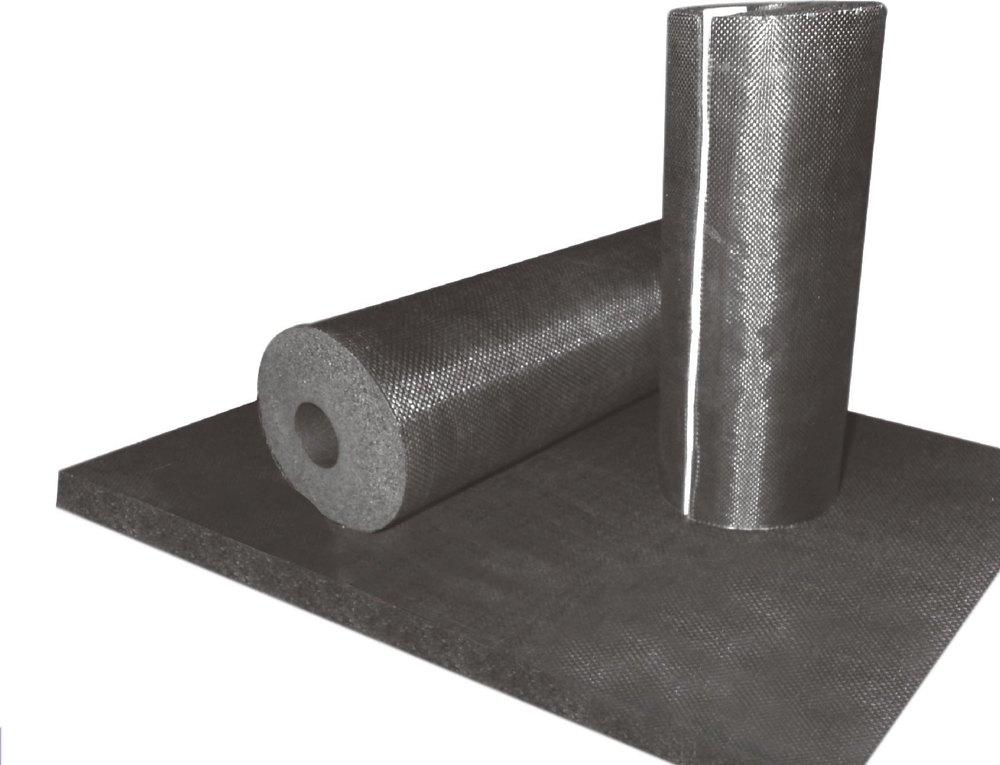
GC cloth is a woven glass fiber cloth used as a protective and finishing layer over insulation. It is commonly used on HVAC ducts, pipes, chilled water lines, refrigerant pipes, AC ducts, AHU ducts, tanks, vessels, and equipment insulation.
In HVAC insulation work, GC cloth commonly refers to glass cloth. It is also called fiberglass cloth, fibre glass cloth, glass fabric, insulation glass cloth, HVAC glass cloth, duct glass cloth, and pipe glass cloth.
The main purpose of GC cloth is to protect insulation material from surface damage, improve insulation appearance, support coating application, and provide a clean finishing layer. GC cloth for insulation is commonly used over nitrile rubber insulation, rubber foam insulation, glass wool insulation, rock wool insulation, and thermal insulation systems.
GC cloth is used for duct wrapping, pipe wrapping, chilled water pipe glass cloth work, HVAC duct insulation protection, AC duct insulation protection, refrigeration pipe insulation, hot water pipe insulation, equipment insulation, tank insulation, vessel insulation, and mechanical room insulation.
GC cloth is a flexible wrapping and finishing material. Aluminium cladding gives stronger hard protection, canvas cloth gives basic finishing, foil facing supports vapor protection, and GC cloth provides a clean protective cloth layer that can be coated or painted based on site requirement.
GC cloth works as a protective layer over insulation materials. It helps cover exposed insulation surfaces and reduces direct wear on insulation.
Glass cloth for pipes and glass cloth for ducts helps protect insulation from minor mechanical damage during regular maintenance, cleaning, and site movement.
Insulation finishing cloth gives a neat and professional surface finish to HVAC insulation work. It improves the appearance of pipe insulation, duct insulation, chilled water insulation, and equipment insulation.
GC cloth supports glass cloth coating, glass cloth paint, waterproof coating, UV protection coating, weather protection coating, and fire retardant coating where required.
Fiberglass cloth wrapping helps protect insulation from light scratches, surface tears, loose edges, and minor external damage.
GC cloth helps maintain a clean finished appearance on ducts, pipes, tanks, vessels, valves, flanges, elbows, and HVAC insulation surfaces.
Glass cloth roll is used for covering large duct surfaces, pipe runs, tanks, equipment, and insulation finishing areas.
Fiberglass cloth roll is suitable for HVAC insulation cloth work, duct wrapping cloth, pipe wrapping cloth, and commercial insulation finishing.
Glass cloth tape and fiberglass tape are used for joints, edges, elbows, corners, valves, and small insulation repair work.
Coated glass cloth is used when additional surface protection, weather resistance, or specific finishing performance is required.
Uncoated glass cloth is used where coating or paint will be applied separately after wrapping.
Flame retardant glass cloth and fire resistant glass cloth are selected when project safety requirements demand fire-resistant insulation finishing.
UV protection glass cloth is used for outdoor pipe insulation protection and outdoor duct insulation protection where sunlight exposure is expected.
Glass cloth adhesive is used to bond the cloth properly to the insulation surface.
Protective coating or paint is applied over glass cloth to improve surface protection, weather resistance, and finishing quality.
Joint sealing tape helps close cloth overlaps, edges, pipe elbows, and duct corners.
Finishing accessories include adhesive, tape, coating, paint, cutting tools, rollers, brushes, and sealing materials.
Plain glass cloth is used for general insulation wrapping and finishing work on pipes, ducts, and equipment.
Coated glass cloth provides additional protection and can be selected for specific HVAC or industrial insulation needs.
Silicone coated fiberglass cloth is used where better surface protection, flexibility, and resistance are required.
Flame retardant glass cloth is used for HVAC insulation areas where fire performance is important.
Waterproof glass cloth is used with suitable coating for outdoor pipe insulation, outdoor duct insulation, and weather-exposed insulation systems.
UV resistant glass cloth helps protect outdoor insulation from sunlight exposure.
High temperature glass cloth is selected for hot water pipe insulation, equipment insulation, tanks, vessels, and industrial insulation applications.
White glass cloth is commonly used where a clean and bright insulation finish is required.
Colored glass cloth can be used where project identification, visual marking, or specific finishing appearance is required.
Glass cloth tape is used for small joints, repairs, sealing, and reinforcement.
Heavy duty fiberglass cloth is used where stronger mechanical protection is required.
Light duty fiberglass cloth is suitable for indoor insulation finishing and standard HVAC insulation protection.
GC cloth is made from woven glass fiber, which gives strength and flexibility for wrapping insulation surfaces.
Fiberglass fabric is used for insulation jacketing cloth, fiberglass cloth jacketing, pipe wrapping cloth, and duct wrapping cloth.
Silicone coated fiberglass provides better surface performance for selected industrial and outdoor insulation applications.
Fire retardant coating can be applied on glass cloth when fire-resistant finishing is required.
Weather resistant coating supports outdoor insulation protection for pipes, ducts, equipment, tanks, and vessels.
Insulation adhesive helps GC cloth bond properly to the insulation surface and prevents peeling.
Protective paint improves the final surface finish and helps protect the glass cloth layer.
Material selection depends on application area, indoor or outdoor use, insulation material below GC cloth, fire rating requirement, moisture protection requirement, UV protection requirement, coating requirement, and budget.
GC cloth is used as HVAC insulation cloth for duct insulation protection, finishing, and coating support.
Glass cloth for pipe insulation protects insulated pipes from surface damage and improves appearance.
Chilled water pipe glass cloth is used over insulation to protect the surface and support long-term finishing.
Glass cloth for refrigerant pipe insulation helps protect insulation on cooling lines and refrigeration systems.
Glass cloth for hot water pipe insulation provides a protective wrapping layer over thermal insulation.
Glass cloth for AC duct insulation is used for duct wrapping, duct joint finishing, and coating application.
Glass cloth for AHU duct insulation helps protect insulation surfaces connected to AHU systems.
Glass cloth for nitrile rubber insulation helps protect rubber insulation from surface damage and improves the final finish.
Glass cloth for glass wool insulation is used as a finishing and protective layer.
Glass cloth for rock wool insulation helps cover and protect the insulation surface.
Glass cloth for tanks is used to finish and protect insulated tank surfaces.
Glass cloth for vessels helps protect insulation on industrial vessels and process equipment.
Glass cloth for equipment insulation is suitable for HVAC equipment, plant room equipment, and industrial machines.
GC cloth is used in mechanical rooms for pipework, ductwork, equipment, valves, flanges, and insulation finishing.
Commercial HVAC insulation projects use GC cloth for ducts, pipes, chilled water systems, AHU ducts, and plant room insulation.
Industrial insulation projects use glass cloth for factory pipe insulation, process pipe insulation, equipment insulation, tanks, and vessels.
GC cloth protects insulation surfaces from minor damage, dust, and wear.
Mechanical protection cloth helps reduce damage during maintenance and site movement.
Insulation finishing cloth gives pipes, ducts, and equipment a clean and professional appearance.
GC cloth can be used on HVAC ducts, AC ducts, AHU ducts, chilled water pipes, refrigerant pipes, hot water pipes, and cold water pipes.
Glass cloth wrapping is flexible and can be applied on curved pipes, rectangular ducts, elbows, valves, and fittings.
Glass cloth with adhesive and glass cloth with coating provide better bonding and surface protection.
Weather protection glass cloth and waterproof glass cloth can support outdoor insulation protection when used with proper coating.
GC cloth helps protect the insulation layer and can extend insulation service life when installed and maintained properly.
GC cloth is suitable for commercial HVAC insulation, industrial HVAC insulation, hospitals, hotels, offices, shopping malls, factories, and plant rooms.
White glass cloth, coated glass cloth, and painted glass cloth give insulation work a clean finished look.
Glass cloth for chilled water pipe insulation helps protect the insulation surface and maintain a clean finish.
Glass cloth for refrigeration pipe insulation protects refrigerant line insulation from external damage.
Glass cloth for hot water pipe insulation supports thermal insulation finishing and protection.
Glass cloth for cold water pipe insulation protects insulation on cold piping systems.
Pipe elbows need proper glass cloth wrapping because bends are common damage and peeling points.
Glass cloth for valve insulation and glass cloth for flange insulation helps protect insulated fittings.
Joint sealing prevents open edges and supports a neat insulation finish.
Outdoor pipe insulation may require UV protection glass cloth, waterproof coating, weather protection coating, or additional cladding.
Final coating improves the surface appearance and protects the GC cloth layer.
GC cloth protects AC duct insulation and supports coating or paint application.
AHU duct insulation areas use glass cloth for duct wrapping and final finishing.
Rectangular duct wrapping requires proper overlap, edge sealing, and corner finishing.
Round duct wrapping uses flexible glass cloth to cover curved duct surfaces smoothly.
Duct joint finishing prevents loose edges and gives a clean appearance.
GC cloth helps protect duct insulation from minor impact, scratches, and maintenance-related wear.
Glass cloth coating improves durability and supports weather protection for selected duct applications.
GC cloth can be used for both indoor and outdoor duct insulation protection when the correct cloth and coating system is selected.
Selection depends on whether GC cloth is required for ducts, pipes, tanks, vessels, equipment, plant rooms, or outdoor insulation.
Indoor insulation may require basic finishing, while outdoor insulation may require UV protection, waterproof coating, or weather protection.
Pipe diameter, duct shape, bends, elbows, corners, and surface condition affect cloth selection and installation method.
GC cloth may be installed over nitrile rubber insulation, rubber foam insulation, glass wool insulation, rock wool insulation, or thermal insulation.
Cloth GSM or thickness depends on mechanical protection requirement, project specification, and site condition.
Coated glass cloth gives additional protection, while uncoated glass cloth is suitable when separate coating or paint will be applied.
Fire resistant glass cloth or flame retardant glass cloth may be selected based on project safety requirements.
UV protection glass cloth is recommended for outdoor insulation exposed to sunlight.
Waterproof glass cloth or weatherproof coating may be required where moisture exposure is expected.
Glass cloth adhesive must be compatible with the insulation material and project application.
Coating or paint requirement depends on weather exposure, finish quality, and protection level.
GC cloth price depends on cloth type, GSM, coating, total area, adhesive, paint, access condition, and labor.
Zenvent Engineering starts GC cloth installation with site inspection of pipes, ducts, insulation surface, access condition, and finishing requirement.
The insulation surface must be clean and dry before glass cloth application.
Glass cloth roll is measured and cut according to pipe size, duct size, tank surface, equipment shape, elbows, and fittings.
Glass cloth adhesive is applied properly to ensure strong bonding and reduce peeling.
Glass cloth wrapping is done carefully over the insulation surface with proper tension and alignment.
Joint overlap is maintained to avoid open edges and weak points.
Edges are sealed properly to prevent cloth lifting and surface damage.
Coating or paint is applied over GC cloth where weather protection, waterproofing, UV protection, or clean finishing is required.
Elbows, valves, flanges, and fittings are wrapped carefully because these areas need detailed finishing.
Duct corners require neat cutting, overlap, and sealing to avoid wrinkles and loose edges.
Outdoor installations may require UV coating, waterproof coating, weather protection coating, or additional cladding.
Final inspection checks cloth bonding, overlaps, coating coverage, surface finish, and edge sealing.
Proper overlap helps maintain strength and prevents open joints.
Adhesive must be applied evenly at joints to prevent peeling and loose cloth.
Open edges can collect dust, moisture, and damage the final finish.
Pipe elbows must be sealed carefully because curved areas are more likely to open.
Duct corners require proper edge folding, adhesive bonding, and coating.
Coating over joints improves protection and creates a smooth final finish.
Final surface finish checking ensures GC cloth work looks clean, smooth, and properly sealed.
Coating protects the GC cloth surface and improves durability, appearance, and weather resistance.
Weather protection coating is used for outdoor pipe insulation and outdoor duct insulation.
UV protection coating helps protect glass cloth from sunlight exposure.
Fire retardant coating is selected where fire safety requirement is part of the project specification.
Waterproof coating helps protect insulation surfaces from moisture exposure.
Surface paint finish gives the insulation work a clean and uniform appearance.
Indoor finish usually focuses on neat appearance, clean surface, and basic protection.
Outdoor finish requires stronger protection against sunlight, moisture, weather, and mechanical exposure.
Visual inspection checks surface finish, wrinkles, coating quality, and cloth alignment.
Joint overlap checking ensures the cloth is properly joined and sealed.
Adhesive bond checking helps identify peeling, loose cloth, and weak bonding areas.
Surface damage inspection identifies cuts, scratches, cracks, and worn areas.
Coating coverage checking ensures the protective layer is applied evenly.
Outdoor GC cloth work must be checked for UV protection, coating condition, and water resistance.
Edges, corners, elbows, and fittings are checked carefully because these areas are more likely to open.
Zenvent Engineering can provide final inspection and handover support for completed GC cloth work.
Regular checking helps identify damaged glass cloth before insulation protection is affected.
Joint opening should be repaired quickly to prevent further peeling or surface damage.
Coating cracks, peeling, or worn areas should be repaired to maintain protection.
Water ingress can damage insulation and affect the performance of the protection layer.
Loose cloth should be re-bonded, repaired, or replaced depending on the damage level.
Corners, elbows, and edges should be inspected regularly because they are common damage points.
Glass cloth repair and re-coating help restore the protective finish.
Zenvent Engineering supports GC cloth maintenance, inspection, repair, replacement, and AMC service planning.
Cloth peeling may happen due to poor adhesive bonding, moisture, surface dust, or wrong installation method.
Open joints reduce protection and affect the final appearance of insulation work.
Poor adhesive bonding can cause loose cloth, wrinkles, and peeling.
Surface wrinkles may occur due to incorrect wrapping, poor tension, or uneven adhesive application.
Coating cracks can reduce weather protection and may require repair or re-coating.
Water ingress can damage insulation and reduce the life of the insulation system.
Outdoor GC cloth may face UV damage if proper UV protection coating is not applied.
Mechanical damage can occur during maintenance, movement, or accidental impact.
Poor overlap can create weak joints and open edges.
Loose edges should be repaired quickly to avoid further peeling.
Poor surface finish can affect appearance and may indicate installation quality issues.
Wrong cloth selection can reduce performance, durability, and protection.
GC cloth is made from glass fiber fabric, while canvas cloth is a different textile-based covering. GC cloth is preferred where fiberglass cloth wrapping and coating support are required.
Aluminium cladding gives hard mechanical protection, while GC cloth gives flexible wrapping, finishing, and coating support.
PVC jacketing provides a plastic protective cover, while GC cloth provides a woven glass cloth layer that can be coated or painted.
Foil facing is mainly used as a surface facing or vapor support, while GC cloth is used for wrapping, finishing, and mechanical protection.
Nitrile rubber insulation provides thermal insulation, while GC cloth protects and finishes the insulation surface.
Glass wool insulation provides thermal and acoustic insulation, while GC cloth acts as a protective finishing layer over insulation.
Glass cloth is a finishing and protection cloth, while fiberglass duct wrap is an insulation material used around ducts.
Coated glass cloth provides additional surface protection, while uncoated glass cloth needs separate coating or paint when protection is required.
GC cloth cost depends on whether plain, coated, flame retardant, waterproof, UV resistant, heavy duty, or light duty cloth is selected.
Higher GSM or thicker cloth can increase material cost.
Coated glass cloth usually costs more than uncoated glass cloth.
Glass cloth cost per sq ft or cost per meter depends on total area or length required.
Large pipes, ducts, tanks, and vessels require more glass cloth and more labor.
Outdoor application may require UV coating, waterproof coating, weather protection coating, or additional cladding.
Glass cloth adhesive quantity and type affect overall installation cost.
Glass cloth coating cost depends on coating type, number of coats, and surface area.
Fire resistant glass cloth or flame retardant coating may affect price.
High-level ductwork, plant rooms, and difficult access areas can increase labor cost.
Labor cost depends on surface complexity, pipe fittings, duct corners, elbows, valves, flanges, and finishing requirement.
Repair, re-coating, replacement, and AMC service can affect long-term project cost.
Zenvent Engineering supplies GC cloth, glass cloth, fiberglass cloth, glass cloth roll, fiberglass cloth roll, glass cloth tape, and insulation finishing accessories.
We provide glass cloth installation for HVAC ducts, pipes, chilled water systems, refrigeration systems, tanks, vessels, and equipment insulation.
Our pipe insulation glass cloth wrapping services cover chilled water pipes, refrigerant pipes, hot water pipes, cold water pipes, elbows, valves, and flanges.
We provide duct insulation glass cloth wrapping for AC ducts, AHU ducts, HVAC ducts, rectangular ducts, round ducts, and ductwork insulation.
Zenvent Engineering provides chilled water pipe GC cloth work for insulation protection, finishing, coating, and maintenance.
Our HVAC duct GC cloth work includes wrapping, joint sealing, coating, corner finishing, and final inspection.
We provide glass cloth coating, glass cloth paint, waterproof coating, UV protection coating, and weather protection coating.
Our glass cloth repair services include peeling repair, joint opening repair, surface damage repair, coating repair, and water damage repair.
We replace damaged GC cloth with new glass cloth wrapping, sealing, and coating.
We provide commercial insulation finishing services for offices, hotels, hospitals, malls, schools, and commercial HVAC systems.
Our industrial insulation protection services cover factories, plant rooms, process pipes, tanks, vessels, equipment, and mechanical rooms.
Zenvent Engineering provides GC cloth AMC service for inspection, maintenance, repair, re-coating, and replacement planning.
Zenvent Engineering understands HVAC duct insulation, pipe insulation, chilled water systems, refrigerant piping, AC duct insulation, AHU duct insulation, and industrial insulation protection.
We help select the right GC cloth, coated glass cloth, uncoated glass cloth, UV protection glass cloth, fire resistant glass cloth, waterproof glass cloth, adhesive, and coating.
Our installation focuses on proper surface preparation, smooth wrapping, correct overlap, edge sealing, coating application, and clean finishing.
From GC cloth supply and glass cloth installation to coating, repair, replacement, inspection, and AMC service, Zenvent Engineering provides complete support.
We serve commercial HVAC projects, industrial insulation projects, mechanical rooms, plant rooms, hospitals, hotels, offices, shopping malls, factories, ducts, pipes, tanks, and vessels.
GC cloth is a glass cloth or fiberglass cloth used as a protective and finishing layer over insulation on ducts, pipes, tanks, vessels, and equipment.