Zenvent Engineering

Mineral Wool Insulation

HVAC & Building Insulation

Mineral Wool Insulation

Zenvent Engineering provides professional Mineral Wool Insulation services for HVAC ducts, pipe insulation, commercial buildings, industrial plants, walls, ceilings, roofs, false ceilings, partition walls, boilers, furnaces, chimneys, tanks, vessels, mechanical rooms, AHU rooms, FCU ducts, pump rooms, plant rooms, and fire rated duct systems.

Mineral wool insulation is also known as rock wool insulation, rockwool insulation, stone wool insulation, slag wool insulation, mineral fiber insulation, mineral fibre insulation, mineral wool thermal insulation, mineral wool acoustic insulation, mineral wool sound insulation, and mineral wool fire insulation. It is widely used for thermal protection, acoustic comfort, fire resistance, duct insulation, pipe insulation, wall insulation, ceiling insulation, and industrial insulation applications.

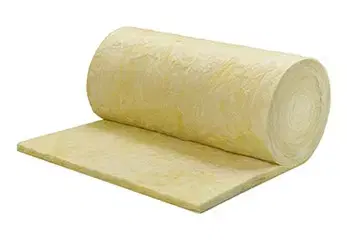
Zenvent Engineering supplies and installs mineral wool slab insulation, mineral wool board insulation, mineral wool roll insulation, mineral wool blanket insulation, mineral wool batt insulation, mineral wool mattress insulation, mineral wool pipe section, wire mesh mineral wool blanket, foil faced mineral wool, aluminium foil faced mineral wool, FSK faced mineral wool, rigid mineral wool board, flexible mineral wool blanket, high density mineral wool board, and industrial mineral wool insulation.

HVAC InsulationFire Rated InsulationAcoustic SupportThermal Protection
Mineral Wool Insulation
Overview

What is Mineral Wool Insulation?

Meaning of Mineral Wool Insulation

Mineral wool insulation is a fiber-based insulation material used for thermal insulation, acoustic insulation, soundproofing insulation, fire insulation, HVAC duct insulation, pipe thermal insulation, wall insulation, roof insulation, and industrial insulation. It helps reduce heat transfer, noise transmission, and fire risk depending on the product type and installation method.

Rock Wool, Stone Wool, and Slag Wool Meaning

Rock wool insulation and stone wool insulation are mineral wool products made from rock or stone-based fibers. Slag wool insulation is also a mineral wool type made using slag-based mineral fibers. These materials are used in HVAC, building insulation, commercial insulation, industrial insulation, and fire rated applications.

Purpose of Mineral Wool Insulation

The main purpose of mineral wool insulation is to provide thermal insulation, acoustic insulation, sound absorption, fire resistance support, heat loss reduction, heat gain reduction, and energy saving. It is used in HVAC ducts, AC ducts, pipework, boilers, furnaces, walls, ceilings, partitions, plant rooms, mechanical rooms, and industrial equipment.

Where Mineral Wool Insulation is Used

Mineral wool insulation is used for HVAC systems, duct wrap insulation, duct liner insulation, pipe insulation, chilled water pipe insulation, hot water pipe insulation, steam pipe insulation, exhaust duct insulation, smoke duct insulation, AHU duct insulation, FCU duct insulation, tanks, vessels, boilers, furnaces, chimneys, walls, ceilings, roofs, false ceilings, acoustic panels, commercial buildings, industrial plants, factories, warehouses, hotels, hospitals, schools, shopping malls, data centers, cleanrooms, and pharmaceutical facilities.

Difference Between Mineral Wool and Other Insulation Materials

Mineral wool insulation is different from fiberglass insulation, glass wool insulation, nitrile rubber insulation, polyurethane foam, ceramic fiber insulation, acoustic foam, and cellulose insulation. Mineral wool is often selected where thermal insulation, sound absorption, fire resistance, and high-temperature performance are important. The right insulation material depends on application type, temperature, moisture exposure, density, thickness, fire rating, acoustic requirement, and budget.

Working Principle

How Mineral Wool Insulation Works

01

Thermal Resistance Through Fiber Structure

Mineral wool insulation works through its dense fiber structure. The fibers trap air and slow down heat transfer, helping reduce heat loss and heat gain in ducts, pipes, walls, ceilings, roofs, and industrial equipment.

02

Heat Loss and Heat Gain Reduction

Mineral wool thermal insulation helps reduce heat loss from hot water pipes, steam pipes, boilers, furnaces, and process piping. It also helps reduce heat gain in HVAC ductwork, AC ducts, false ceilings, walls, and roof areas.

03

Sound Absorption and Noise Control

Mineral wool acoustic insulation absorbs airborne sound and helps reduce noise transmission. It is suitable for duct soundproofing insulation, HVAC sound insulation, wall soundproofing, ceiling soundproofing, partition wall insulation, studio soundproofing, home theatre insulation, and conference room acoustics.

04

Fire Resistance Support

Fire resistant mineral wool and fire rated mineral wool insulation are used where fire safety is important. Mineral wool insulation supports fire rated duct insulation, smoke exhaust duct protection, boiler area insulation, furnace area insulation, and mechanical room fire protection.

05

Air Gap and Cavity Insulation

Mineral wool slab, mineral wool batt, and mineral wool board insulation are used in wall cavities, ceiling cavities, false ceilings, partition walls, roof systems, and acoustic panels to reduce heat transfer and sound movement.

06

Energy Efficiency Support

Mineral wool insulation supports energy efficiency by reducing unwanted heat transfer in HVAC systems, ducts, pipes, roofs, ceilings, and industrial equipment.

HVAC Details

Main Forms of Mineral Wool Insulation

01

Mineral Wool Slab

Mineral wool slab insulation is used for walls, partitions, ceilings, acoustic panels, ducts, and industrial insulation applications.

02

Mineral Wool Board

Mineral wool board insulation and rigid mineral wool board are used where firm insulation support, acoustic control, or fire rated performance is required.

03

Mineral Wool Roll

Mineral wool roll insulation is used for large flat surfaces, ceilings, roofs, ducts, and building insulation.

04

Mineral Wool Blanket

Mineral wool blanket insulation and flexible mineral wool blanket are used for ductwork, equipment insulation, tank insulation, vessel insulation, and industrial applications.

05

Mineral Wool Batt

Mineral wool batts are used for wall insulation, ceiling insulation, roof insulation, partition wall insulation, and false ceiling insulation.

06

Mineral Wool Mattress

Mineral wool mattress insulation is used for industrial insulation, equipment insulation, hot surfaces, and mechanical systems.

07

Mineral Wool Pipe Section

Mineral wool pipe section is used for hot water pipes, steam pipes, boiler pipes, process piping, industrial pipes, and chilled water pipes with suitable facing or cladding.

08

Wire Mesh Mineral Wool Blanket

Wire mesh mineral wool blanket is used for industrial insulation, boilers, furnaces, chimneys, tanks, vessels, and high-temperature applications.

09

Foil Faced Mineral Wool

Foil faced mineral wool and aluminium foil faced mineral wool are used for HVAC ducts, thermal insulation, and applications requiring facing or vapor barrier support.

10

High Density Mineral Wool Board

High density mineral wool board is used for acoustic insulation, fire rated applications, mechanical rooms, wall systems, and industrial insulation.

HVAC Details

Types of Mineral Wool Insulation

01

Rock Wool Insulation

Rock wool insulation and rockwool insulation are mineral wool products used for thermal insulation, acoustic insulation, fire protection, wall insulation, ceiling insulation, and HVAC insulation.

02

Stone Wool Insulation

Stone wool insulation is commonly used for fire resistant insulation, sound insulation, and thermal insulation in buildings and industrial systems.

03

Slag Wool Insulation

Slag wool insulation is another mineral fiber insulation option used for building and industrial insulation applications.

04

Resin Bonded Mineral Wool

Resin bonded mineral wool is used where better shape stability, handling, and insulation performance are required.

05

Rigid Mineral Wool Board

Rigid mineral wool board is suitable for walls, acoustic panels, fire rated duct systems, mechanical rooms, and industrial insulation work.

06

Flexible Mineral Wool Blanket

Flexible mineral wool blanket is used for wrapping ducts, tanks, vessels, equipment, and irregular surfaces.

07

Acoustic Mineral Wool Insulation

Acoustic mineral wool insulation is used for sound absorption, wall soundproofing, ceiling soundproofing, studio treatment, duct soundproofing, and noise control.

08

Thermal Mineral Wool Insulation

Thermal mineral wool insulation helps reduce heat loss and heat gain in HVAC ducts, pipes, roofs, walls, ceilings, boilers, furnaces, and process systems.

09

Fire Rated Mineral Wool Insulation

Fire rated mineral wool insulation is selected for fire rated ducts, smoke ducts, mechanical rooms, fire barrier applications, and high-temperature areas.

10

HVAC Mineral Wool Duct Insulation

HVAC mineral wool duct insulation is used for AC ducts, supply air ducts, return air ducts, fresh air ducts, exhaust ducts, AHU ducts, FCU ducts, and fire rated ductwork.

11

Industrial Mineral Wool Insulation

Industrial mineral wool insulation is used for factories, warehouses, process piping, boilers, furnaces, tanks, vessels, chimneys, plant rooms, and mechanical equipment.

HVAC Details

Applications of Mineral Wool Insulation

01

HVAC Ductwork

Mineral wool insulation for HVAC ductwork helps provide thermal protection, acoustic comfort, fire resistance support, and duct soundproofing.

02

Duct Wrap Insulation

Mineral wool duct wrap is installed externally on HVAC ducts, AC ducts, supply air ducts, return air ducts, fresh air ducts, exhaust ducts, and smoke exhaust ducts.

03

Duct Liner Insulation

Mineral wool duct liner is used inside ducts for duct acoustic lining, HVAC noise control, duct sound insulation, and airflow noise reduction.

04

Pipe Insulation

Mineral wool pipe insulation is used for hot water pipes, steam pipes, chilled water pipes, process piping, boiler pipes, and industrial pipes.

05

Chilled Water Pipes

Mineral wool insulation for chilled water pipes can be used with proper vapor barrier, facing, cladding, and joint sealing to reduce heat gain and condensation risk.

06

Hot Water Pipes

Mineral wool insulation for hot water pipes helps reduce heat loss and improve thermal efficiency.

07

Steam Pipes

Mineral wool insulation for steam pipes helps reduce heat loss and protect high-temperature piping.

08

Boilers and Furnaces

Mineral wool insulation for boilers and furnaces supports heat control and high-temperature insulation requirements.

09

Chimneys and Flue Ducts

Mineral wool insulation for chimneys and flue ducts is used for thermal protection and high-temperature exhaust applications.

10

Tanks and Vessels

Mineral wool insulation for tanks and vessels helps reduce heat loss, improve process efficiency, and protect insulated surfaces.

11

Mechanical Rooms

Mineral wool insulation for mechanical rooms helps control HVAC noise, pipe heat loss, equipment heat transfer, and fire safety needs.

12

False Ceilings

Mineral wool insulation for false ceilings helps improve acoustic comfort and thermal performance in indoor spaces.

13

Walls and Partitions

Mineral wool board insulation and mineral wool slab insulation are used for wall insulation, partition wall insulation, cavity wall insulation, and acoustic partitions.

14

Roof and Ceiling Insulation

Mineral wool insulation for roof and ceiling applications helps reduce heat transfer and improve indoor comfort.

15

Acoustic Panels

High density mineral wool board is commonly used as an acoustic panel core material for offices, studios, home theatres, conference rooms, auditoriums, and commercial interiors.

16

Commercial Buildings

Commercial mineral wool insulation is used in offices, hotels, hospitals, schools, malls, data centers, cleanrooms, and public buildings.

17

Industrial Plants

Industrial mineral wool insulation is used in factories, warehouses, boiler rooms, furnace areas, plant rooms, process piping, tanks, vessels, and equipment insulation.

HVAC Details

Benefits of Mineral Wool Insulation

01

Good Thermal Insulation

Mineral wool thermal insulation reduces heat transfer through ducts, pipes, walls, ceilings, roofs, boilers, furnaces, tanks, and vessels.

02

Good Acoustic Insulation

Mineral wool sound insulation helps reduce noise transmission and supports acoustic comfort in rooms, ducts, walls, ceilings, and mechanical spaces.

03

Fire Resistance

Fire resistant mineral wool and non combustible insulation are suitable for areas where fire safety performance is important.

04

Suitable for HVAC and Industrial Applications

Mineral wool insulation is suitable for HVAC ducts, pipework, smoke ducts, fire rated ducts, plant rooms, mechanical rooms, boilers, furnaces, tanks, and vessels.

05

Suitable for Ducts, Pipes, Walls, and Ceilings

Mineral wool can be used for duct insulation, pipe insulation, wall insulation, ceiling insulation, roof insulation, and partition wall insulation.

06

Helps Reduce Heat Loss

Hot pipe insulation, steam pipe insulation, boiler insulation, furnace insulation, and process pipe insulation help reduce heat loss from hot surfaces.

07

Helps Reduce Noise Transmission

Mineral wool acoustic insulation helps reduce noise transmission in walls, ceilings, ducts, partition walls, plant rooms, and mechanical rooms.

08

Available in Rolls, Slabs, Boards, and Blankets

Different forms make mineral wool suitable for multiple HVAC, building, and industrial insulation applications.

09

Durable for High-Temperature Applications

Mineral wool is suitable for many high-temperature insulation applications such as boilers, furnaces, steam pipes, chimneys, and industrial equipment.

10

Supports Energy Efficiency

By reducing heat loss and heat gain, mineral wool insulation supports better energy efficiency in HVAC and industrial systems.

HVAC Details

Mineral Wool Insulation for HVAC Ductwork

01

External Duct Wrap

External mineral wool duct wrap is used on HVAC ducts to reduce heat transfer and support acoustic control.

02

Internal Duct Liner

Internal mineral wool duct liner helps absorb duct noise and reduce HVAC sound transmission.

03

Supply Air Duct Insulation

Mineral wool insulation for supply air ducts helps maintain air temperature and reduce energy loss.

04

Return Air Duct Insulation

Return air duct insulation helps improve thermal performance and reduce duct noise.

05

Fresh Air Duct Insulation

Fresh air duct insulation helps manage temperature differences and reduce condensation risk.

06

Exhaust Duct Insulation

Mineral wool insulation for exhaust ducts supports thermal protection and noise control.

07

Fire Rated Duct Insulation

Fire rated mineral wool insulation is used for fire rated ducts, smoke ducts, and exhaust duct protection.

08

Duct Acoustic Control

Mineral wool insulation for HVAC noise control helps reduce fan noise, airflow noise, duct breakout noise, and duct sound transmission.

09

Duct Thermal Protection

Mineral wool duct insulation supports thermal protection for AC ducts, AHU ducts, FCU ducts, package AC ducts, and central AC ducts.

10

Duct Condensation Consideration

For cold ducts, proper facing, vapor barrier sealing, and installation detailing are important to reduce condensation risk.

HVAC Details

Mineral Wool Insulation for Pipework

01

Hot Water Pipe Insulation

Mineral wool insulation for hot water pipes helps reduce heat loss and improve energy performance.

02

Steam Pipe Insulation

Steam pipe insulation uses mineral wool pipe sections or wire mesh blankets for high-temperature protection.

03

Chilled Water Pipe Insulation

Chilled water pipe insulation requires suitable vapor barrier, cladding, and joint sealing to manage condensation risk.

04

Process Pipe Insulation

Mineral wool insulation for process piping is used in factories, plants, industrial buildings, and utility systems.

05

Boiler Pipe Insulation

Boiler pipe insulation helps reduce heat loss and protect high-temperature piping.

06

Pipe Section Installation

Mineral wool pipe section insulation provides a shaped fit around pipes for better coverage and finishing.

07

Valve and Flange Insulation

Valves and flanges require proper insulation detailing to reduce heat loss and avoid exposed hot or cold points.

08

Elbow and Fitting Insulation

Elbows and fittings need careful cutting, fitting, sealing, and cladding.

09

Cladding and Jacketing Requirement

Pipe insulation may require GI cladding, aluminium cladding, stainless steel cladding, or glass cloth finishing depending on exposure and site conditions.

HVAC Details

Mineral Wool Insulation for Acoustic and Soundproofing

01

Wall Sound Absorption

Mineral wool insulation for wall soundproofing helps absorb sound inside wall systems and reduce noise transfer.

02

Ceiling Sound Absorption

Mineral wool insulation for ceiling soundproofing supports echo reduction and sound absorption in false ceilings and ceiling cavities.

03

Partition Wall Insulation

Mineral wool slab insulation is used inside partition walls to improve acoustic privacy and comfort.

04

Acoustic Panel Core Material

High density mineral wool board is used as an acoustic panel core material for better sound absorption.

05

Studio and Home Theatre Insulation

Mineral wool insulation for studio soundproofing and home theatre insulation helps control sound reflections and reduce unwanted noise.

06

Conference Room Acoustic Treatment

Mineral wool acoustic insulation improves speech clarity and acoustic comfort in meeting rooms and conference rooms.

07

Mechanical Room Noise Control

Mineral wool insulation for mechanical rooms, AHU rooms, pump rooms, and plant rooms helps reduce equipment noise.

08

HVAC Duct Noise Reduction

Mineral wool duct liner and duct acoustic lining help reduce HVAC duct noise and airflow noise.

HVAC Details

Mineral Wool Insulation for Fire Safety

01

Fire Rated Duct Insulation

Fire rated mineral wool insulation is used for fire rated ducts where fire resistance is required.

02

Smoke Extraction Duct Protection

Smoke exhaust ducts may require mineral wool insulation for fire and heat protection.

03

Steel Structure Protection

Mineral wool insulation can support fire protection systems around selected steel structures depending on project design.

04

Fire Barrier Applications

Mineral wool fire insulation is used in fire barrier applications, wall cavities, service penetrations, and mechanical areas.

05

Fire Stop Support Areas

Mineral wool can be used around fire stop support areas where specified by project requirements.

06

Mechanical Room Fire Protection

Mechanical rooms may require fire resistant mineral wool insulation for ducts, pipes, and equipment areas.

07

Boiler and Furnace Area Insulation

Boiler and furnace areas require insulation that can handle high temperatures and support fire safety.

08

High Temperature Exhaust Protection

High temperature exhaust ducts, chimneys, and flue ducts can use mineral wool insulation for thermal protection.

HVAC Details

Mineral Wool Insulation Selection Guide

01

Application Type

Selection depends on whether insulation is required for HVAC ducts, pipes, walls, ceilings, partitions, boilers, furnaces, tanks, vessels, or equipment.

02

Thermal Requirement

Thermal requirement depends on operating temperature, ambient temperature, heat loss target, heat gain risk, and energy efficiency requirement.

03

Acoustic Requirement

Acoustic requirement depends on noise source, duct noise, wall soundproofing need, room use, NRC rating, and sound absorption target.

04

Fire Rating Requirement

Fire rating requirement affects the type of mineral wool insulation, facing, cladding, and installation method.

05

Required R-Value

R-value indicates thermal resistance. The required R-value depends on building design, HVAC requirement, and insulation application.

06

Required NRC Rating

NRC rating measures sound absorption and is important for acoustic mineral wool insulation.

07

Required Density

Mineral wool density affects thermal performance, acoustic performance, fire resistance, durability, and installation suitability.

08

Required Thickness

Mineral wool insulation thickness depends on application, temperature, fire rating, acoustic requirement, and project specification.

09

Operating Temperature

High-temperature systems such as steam pipes, boilers, furnaces, chimneys, and exhaust ducts require suitable mineral wool specification.

10

Moisture Exposure Condition

Moisture exposure affects facing, vapor barrier, cladding, and protection requirements.

11

Facing or Jacketing Requirement

Foil faced mineral wool, FSK faced mineral wool, wire mesh mineral wool blanket, GI cladding, aluminium cladding, or stainless steel cladding may be required.

12

Indoor or Outdoor Use

Outdoor insulation usually needs weather protection, cladding, jacketing, or coating.

13

Budget and Price

Mineral wool insulation price depends on type, density, thickness, facing, cladding, total area, access condition, and labor.

HVAC Details

Mineral Wool Insulation Thickness and Density

01

Thickness for HVAC Ducts

Mineral wool insulation thickness for HVAC ducts depends on duct temperature, surrounding condition, condensation risk, acoustic requirement, and fire rating.

02

Thickness for Pipe Insulation

Pipe insulation thickness depends on pipe diameter, operating temperature, heat loss target, and cladding requirement.

03

Thickness for Acoustic Panels

Acoustic panel thickness depends on room size, echo control requirement, noise level, and NRC rating.

04

Thickness for Walls and Partitions

Wall and partition thickness depends on cavity size, soundproofing need, thermal requirement, and fire rating.

05

Thickness for Fire Rated Applications

Fire rated duct insulation and fire protection applications require thickness based on fire rating requirement and project specification.

06

Density for Thermal Insulation

Density for thermal insulation is selected based on heat transfer requirement, temperature, and installation area.

07

Density for Acoustic Insulation

High density mineral wool board is often preferred for acoustic insulation, wall soundproofing, and acoustic panels.

08

Density for Industrial Applications

Industrial applications may require dense rockwool, wire mesh blankets, rigid boards, or higher density mineral wool for better durability.

09

Thickness Based on Energy Efficiency Requirement

Higher energy saving targets may require increased insulation thickness or improved insulation specification.

HVAC Details

Mineral Wool Insulation Facing and Cladding

01

Aluminium Foil Facing

Aluminium foil faced mineral wool is used where facing, surface protection, and vapor barrier support are required.

02

FSK Facing

FSK faced mineral wool is used for HVAC duct insulation and selected building insulation applications.

03

Glass Cloth Facing

Glass cloth facing supports insulation finishing and surface protection.

04

Wire Mesh Facing

Wire mesh facing is used in wire mesh mineral wool blankets for industrial insulation and high-temperature areas.

05

GI Cladding

GI cladding provides mechanical protection for insulated pipes, ducts, equipment, and outdoor installations.

06

Aluminium Cladding

Aluminium cladding is used for weather protection, mechanical protection, and clean finishing.

07

Stainless Steel Cladding

Stainless steel cladding is used in industrial, outdoor, corrosive, or high-durability applications.

08

Vapor Barrier Requirement

Vapor barrier requirement is important for chilled water pipes, cold ducts, and condensation-prone applications.

09

Weather Protection Requirement

Outdoor mineral wool insulation requires proper cladding or weather protection.

10

Mechanical Protection Requirement

Exposed insulation may require metal cladding, glass cloth facing, jacketing, or protective covering.

HVAC Details

Mineral Wool Insulation Installation

01

Site Inspection

Zenvent Engineering starts mineral wool insulation installation with site inspection of ducts, pipes, walls, ceilings, equipment, boilers, furnaces, tanks, and plant room areas.

02

Surface Cleaning

Surfaces are cleaned and prepared before installation to support proper fixing, wrapping, sealing, and cladding.

03

Measurement and Cutting

Mineral wool slabs, boards, rolls, blankets, batts, pipe sections, and wire mesh blankets are measured and cut as per site requirement.

04

Duct Wrap Installation

Mineral wool duct wrap is installed around HVAC ducts with proper overlap, fixing, and joint sealing.

05

Pipe Section Installation

Mineral wool pipe sections are placed around pipes and secured with wire, bands, facing, or cladding.

06

Board or Slab Fixing

Mineral wool boards and slabs are fixed in walls, ceilings, partitions, acoustic panels, and mechanical room surfaces.

07

Wire Mesh Blanket Installation

Wire mesh mineral wool blanket is installed around industrial equipment, boilers, furnaces, tanks, vessels, and high-temperature systems.

08

Joint Sealing

Joints are sealed properly to reduce gaps, heat loss, sound leakage, and insulation damage.

09

Facing or Cladding Installation

Facing or cladding is installed based on project needs, including aluminium foil facing, FSK facing, GI cladding, aluminium cladding, or stainless steel cladding.

10

Edge Protection

Edges are protected to prevent fiber exposure, damage, and poor finishing.

11

Final Inspection

Final inspection checks thickness, density, joint sealing, cladding, facing, finish, and installation quality.

HVAC Details

Mineral Wool Duct Insulation Installation

01

Duct Surface Preparation

Duct surfaces are inspected and cleaned before insulation application.

02

Insulation Cutting and Wrapping

Mineral wool duct wrap is cut and wrapped around ducts with proper coverage.

03

Pinning or Banding

Pinning or banding is used to secure insulation on duct surfaces where required.

04

Joint Overlap and Sealing

Joint overlap and sealing help prevent gaps, heat transfer, and facing damage.

05

Foil Facing Protection

Foil facing must be protected from tears, punctures, loose edges, and open joints.

06

Duct Elbow and Fitting Insulation

Duct elbows, transitions, branches, dampers, and fittings require careful insulation detailing.

07

Fire Rated Duct Protection

Fire rated duct protection uses suitable mineral wool thickness, density, fixing system, and finishing.

08

Final Finish Inspection

Final finish inspection checks surface appearance, fixing quality, joints, facing, and protection.

HVAC Details

Mineral Wool Pipe Insulation Installation

01

Pipe Surface Preparation

Pipe surfaces are checked and prepared before insulation installation.

02

Pipe Section Placement

Mineral wool pipe sections are placed around the pipe with correct alignment and tight fitting.

03

Wire or Band Fixing

Wire or band fixing secures pipe insulation sections in position.

04

Elbow and Bend Insulation

Elbows and bends require special cutting and fitting to prevent gaps.

05

Valve and Flange Insulation

Valves and flanges are insulated carefully for heat loss reduction and maintenance access.

06

Cladding Installation

Cladding is installed over pipe insulation where mechanical protection, weather protection, or clean finishing is required.

07

Joint Sealing

Joints are sealed to reduce heat loss, vapor movement, and insulation damage.

08

Final Inspection

Final inspection checks pipe insulation coverage, joint sealing, cladding, fittings, and overall finish.

HVAC Details

Mineral Wool Insulation Testing and Inspection

01

Visual Inspection

Visual inspection checks surface finish, damage, joint gaps, cladding, and insulation coverage.

02

Thickness Verification

Thickness verification confirms the installed mineral wool matches project requirement.

03

Density Verification

Density verification ensures the correct insulation grade is used for thermal, acoustic, or fire rated application.

04

Joint Sealing Check

Joint sealing checks help identify gaps, loose edges, and poor overlap.

05

Facing and Cladding Inspection

Facing and cladding inspection checks tears, dents, loose sheets, open joints, and fixing quality.

06

Moisture Damage Check

Moisture damage checks are important because wet insulation can reduce performance and cause maintenance issues.

07

Compression or Sagging Check

Compressed or sagging mineral wool can reduce thermal and acoustic performance.

08

Acoustic Performance Review

Acoustic performance review checks whether noise reduction and sound absorption requirements are being met.

09

Fire Protection Area Inspection

Fire protection areas are checked for correct coverage, thickness, and continuity.

10

Final Handover Report

Zenvent Engineering can provide final inspection and handover support for completed mineral wool insulation work.

HVAC Details

Mineral Wool Insulation Maintenance

01

Surface Damage Inspection

Regular inspection helps identify damaged insulation, torn facing, exposed fiber, and loose cladding.

02

Moisture Damage Inspection

Moisture damage inspection helps detect wet insulation, water entry, stains, and performance loss.

03

Joint Opening Inspection

Open joints should be repaired quickly to avoid heat loss, sound leakage, and insulation damage.

04

Compression or Sagging Inspection

Compressed or sagging insulation should be repaired or replaced.

05

Cladding Condition Checking

Cladding should be checked for dents, loose sections, corrosion, open edges, and water entry.

06

Duct Liner Condition Checking

Duct liner condition should be checked for loose sections, damage, contamination, or poor fixing.

07

Pipe Section Condition Checking

Pipe insulation sections should be checked around joints, elbows, valves, flanges, and bends.

08

Repair and Replacement Planning

Damaged mineral wool insulation may need repair, replacement, re-sealing, cladding repair, or full re-insulation.

09

Preventive Maintenance Schedule

Zenvent Engineering supports mineral wool insulation maintenance, preventive maintenance, repair, replacement, inspection, and AMC service.

HVAC Details

Common Mineral Wool Insulation Problems

01

Moisture Damage

Moisture damage can reduce insulation performance and may require replacement.

02

Damaged Facing

Damaged facing can expose insulation and reduce vapor or surface protection.

03

Open Joints

Open joints allow heat loss, sound leakage, and performance reduction.

04

Compressed Insulation

Compressed insulation loses thickness and reduces thermal and acoustic performance.

05

Sagging Insulation

Sagging insulation can create gaps and poor coverage.

06

Poor Thickness Selection

Incorrect thickness can reduce heat control, sound absorption, and fire performance.

07

Cladding Damage

Damaged cladding can allow moisture entry and mechanical damage.

08

Dust or Fiber Exposure

Exposed fiber should be covered or repaired for better safety and clean finishing.

09

Poor Acoustic Performance

Poor acoustic performance may happen due to wrong density, low thickness, poor coverage, or incorrect installation.

10

Heat Loss Due to Gaps

Gaps around joints, fittings, valves, and flanges can increase heat loss.

11

Wrong Density Selection

Wrong density can affect thermal, acoustic, fire, and mechanical performance.

12

Poor Installation Around Fittings

Fittings need detailed insulation work to avoid exposed areas and weak points.

HVAC Details

Mineral Wool Insulation vs Other Insulation Materials

01

Mineral Wool Insulation vs Fiberglass Insulation

Mineral wool insulation generally offers strong fire and acoustic performance, while fiberglass insulation is lightweight and widely used for HVAC and building insulation.

02

Mineral Wool Insulation vs Glass Wool Insulation

Mineral wool and glass wool are both fiber insulation materials. Mineral wool is often selected for fire resistance and dense acoustic performance, while glass wool is commonly used for HVAC duct and building insulation.

03

Mineral Wool Insulation vs Rock Wool Insulation

Rock wool insulation is a type of mineral wool insulation. Rock wool, stone wool, and slag wool are all mineral wool categories.

04

Mineral Wool Insulation vs Nitrile Rubber Insulation

Nitrile rubber insulation is closed cell and commonly used for condensation control on chilled water and refrigerant lines. Mineral wool insulation is fiber-based and often used for thermal, acoustic, and fire rated applications.

05

Mineral Wool Insulation vs Polyurethane Foam

Polyurethane foam is rigid foam insulation, while mineral wool is fiber-based and used for fire, acoustic, and thermal insulation.

06

Mineral Wool Insulation vs Ceramic Fiber Insulation

Ceramic fiber insulation is used for very high-temperature applications, while mineral wool is used for HVAC, building, fire rated, and industrial insulation needs.

07

Mineral Wool Insulation vs Acoustic Foam

Acoustic foam is mainly used for echo control, while mineral wool acoustic insulation can be used inside walls, ceilings, ducts, partitions, and acoustic panels.

08

Mineral Wool Insulation vs Cellulose Insulation

Cellulose insulation is plant fiber based, while mineral wool insulation is mineral fiber based and often selected for fire, sound, and thermal performance.

HVAC Details

Mineral Wool Insulation Cost Factors

01

Insulation Type

Mineral wool insulation cost depends on whether rock wool, stone wool, slab, board, blanket, roll, batt, pipe section, or wire mesh blanket is selected.

02

Roll, Board, Slab, Blanket, or Pipe Section Form

Mineral wool roll price, mineral wool board price, mineral wool slab price, mineral wool pipe section price, and blanket price vary by specification.

03

Thickness

Thickness affects material cost, thermal performance, acoustic performance, and fire resistance.

04

Density

Rockwool density and mineral wool density affect price, performance, and application suitability.

05

Faced or Unfaced Type

Foil faced mineral wool, aluminium foil faced mineral wool, FSK faced mineral wool, and wire mesh faced insulation may cost more than unfaced material.

06

Total Area or Length

Mineral wool insulation cost per sq ft or cost per meter depends on total duct area, pipe length, wall area, ceiling area, or equipment surface.

07

Duct, Pipe, Wall, Ceiling, or Equipment Application

Cost changes based on whether the insulation is for ducts, pipes, walls, ceilings, roofs, tanks, vessels, boilers, furnaces, or equipment.

08

Fire Rating Requirement

Fire rated mineral wool insulation may affect thickness, density, fixing method, and overall cost.

09

Acoustic Requirement

Acoustic requirements may need high density mineral wool board, thicker slabs, or additional acoustic treatment.

10

Cladding Requirement

GI cladding, aluminium cladding, stainless steel cladding, or glass cloth finishing can affect project cost.

11

Installation Labor

Labor cost depends on access, height, pipe fittings, duct complexity, cladding work, and site conditions.

12

Maintenance Requirement

Repair, replacement, inspection, cladding repair, and AMC service affect long-term insulation cost.

HVAC Details

Mineral Wool Insulation Services

01

Mineral Wool Insulation Supply

Zenvent Engineering supplies mineral wool insulation, rock wool insulation, stone wool insulation, mineral wool slabs, boards, rolls, blankets, batts, pipe sections, and wire mesh blankets.

02

Mineral Wool Duct Insulation

We provide mineral wool duct insulation for HVAC ducts, AC ducts, supply ducts, return ducts, fresh air ducts, exhaust ducts, smoke ducts, AHU ducts, and FCU ducts.

03

Mineral Wool Pipe Insulation

Our mineral wool pipe insulation services cover hot water pipes, steam pipes, chilled water pipes, process pipes, boiler pipes, valves, flanges, elbows, and fittings.

04

Mineral Wool Board Installation

We install mineral wool boards for walls, ceilings, acoustic panels, mechanical rooms, fire rated areas, and building insulation.

05

Mineral Wool Slab Installation

Mineral wool slab installation is available for partition walls, false ceilings, acoustic treatment, and thermal insulation.

06

Mineral Wool Blanket Installation

We install mineral wool blankets and wire mesh mineral wool blankets for ducts, equipment, tanks, vessels, boilers, furnaces, and industrial applications.

07

Mineral Wool Acoustic Insulation

Our mineral wool acoustic insulation services support wall soundproofing, ceiling soundproofing, partition walls, studios, home theatres, conference rooms, and HVAC duct noise reduction.

08

Mineral Wool Fire Rated Insulation

We provide fire rated mineral wool insulation for fire rated ducts, smoke ducts, mechanical rooms, boiler areas, furnace areas, and fire protection applications.

09

Commercial Mineral Wool Insulation

Zenvent Engineering provides commercial mineral wool insulation for offices, hotels, hospitals, schools, shopping malls, data centers, cleanrooms, and commercial HVAC systems.

10

Industrial Mineral Wool Insulation

Our industrial mineral wool insulation services support factories, warehouses, plant rooms, process piping, boilers, furnaces, tanks, vessels, and equipment insulation.

11

Mineral Wool Insulation Repair

We repair damaged mineral wool insulation, open joints, damaged cladding, moisture damage, sagging insulation, and exposed fiber areas.

12

Mineral Wool Insulation Replacement

We replace old or damaged mineral wool insulation with suitable new material based on project requirement.

13

Mineral Wool Cladding Work

We provide GI cladding, aluminium cladding, stainless steel cladding, and protective finishing for mineral wool insulation systems.

14

HVAC Insulation Services

Our HVAC insulation services include mineral wool duct insulation, pipe insulation, acoustic insulation, thermal insulation, fire rated duct insulation, and cladding work.

15

Mineral Wool Insulation AMC Service

Zenvent Engineering provides mineral wool insulation AMC service for inspection, maintenance, repair, replacement, cladding checking, and performance review.

HVAC Details

Why Choose Zenvent Engineering for Mineral Wool Insulation?

01

HVAC and Industrial Insulation Experience

Zenvent Engineering understands HVAC ductwork, pipe insulation, plant rooms, mechanical rooms, boilers, furnaces, industrial equipment, and commercial building insulation requirements.

02

Thermal, Acoustic, and Fire Safety Focus

Our mineral wool insulation solutions support thermal protection, acoustic comfort, sound absorption, fire resistance, and energy efficiency.

03

Proper Material Selection

We help select mineral wool slab, board, roll, blanket, pipe section, foil faced mineral wool, FSK faced mineral wool, high density mineral wool board, or wire mesh mineral wool blanket based on application.

04

Clean Installation and Finishing

Our installation process focuses on proper measurement, cutting, fixing, wrapping, joint sealing, facing, cladding, edge protection, and final inspection.

05

Complete Service Support

From supply and installation to repair, replacement, cladding, maintenance, and AMC service, Zenvent Engineering provides complete mineral wool insulation support.

FAQs

FAQs on Mineral Wool Insulation

Mineral wool insulation is a mineral fiber insulation material used for thermal insulation, acoustic insulation, fire insulation, HVAC duct insulation, pipe insulation, wall insulation, ceiling insulation, and industrial insulation.

0